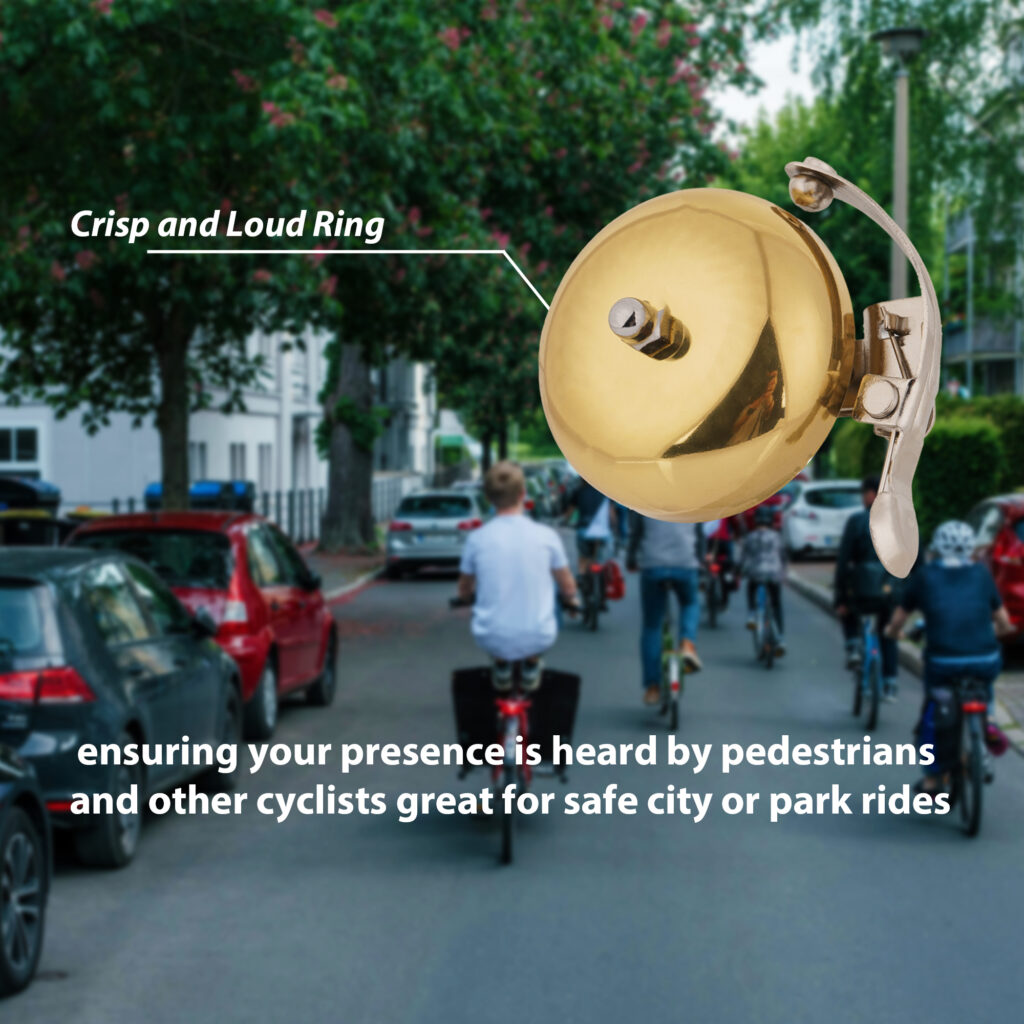
Every parent knows the specific mix of pride and anxiety that comes when a child starts gaining confidence on two (or three) wheels. As they pedal faster and venture further down the driveway or park path, the need for safety gear extends beyond just a helmet. Communication becomes key, especially on shared sidewalks. This is where a reliable bike bell transitions from a cute accessory to a necessary safety tool.
However, not all bells are created equal. Many children’s bike accessories are constructed from brittle plastic that cracks after the first inevitable tumble, or they produce a dull thud rather than a clear alert.
In this evaluation, we are looking at the RidingRush Kids Bike Bell, specifically the Polka Dot edition. We will assess its build quality, sound clarity, and suitability for toddlers and young riders. Is this vintage-styled metal bell a lasting investment for your child’s scooter or bicycle, or is it just another decorative toy?

The Role of Auditory Safety for Young Riders
Before diving into the hardware, it is important to understand why a bell matters for the under-six demographic. Toddlers and preschoolers are still developing spatial awareness. They often do not look behind them before turning, and they rarely announce their presence to pedestrians.
Teaching a child to ring a bell is an early lesson in road etiquette. It empowers them to alert others (“I’m here!”) without needing to shout. For this to work, the equipment must be intuitive. If the lever is too stiff for a small thumb, or if the sound is too quiet to cut through ambient park noise, the safety benefit is lost.
The RidingRush Kids Bike Bell Colorful– Cute Polka Dot Bicycle Bell aims to bridge the gap between child-friendly aesthetics and functional road safety equipment. By utilizing a classic metal dome design rather than digital sounds or squeakers, it introduces children to the standard mechanism used by adult cyclists.
Design and Build Quality: Metal vs. Plastic
One of the primary differentiators of the RidingRush bell is its material composition. The market is flooded with plastic bells that often feature stickers of cartoon characters. While visually appealing to kids, these plastic units tend to suffer from two main issues: poor resonance and fragility.
The Metal Dome Advantage
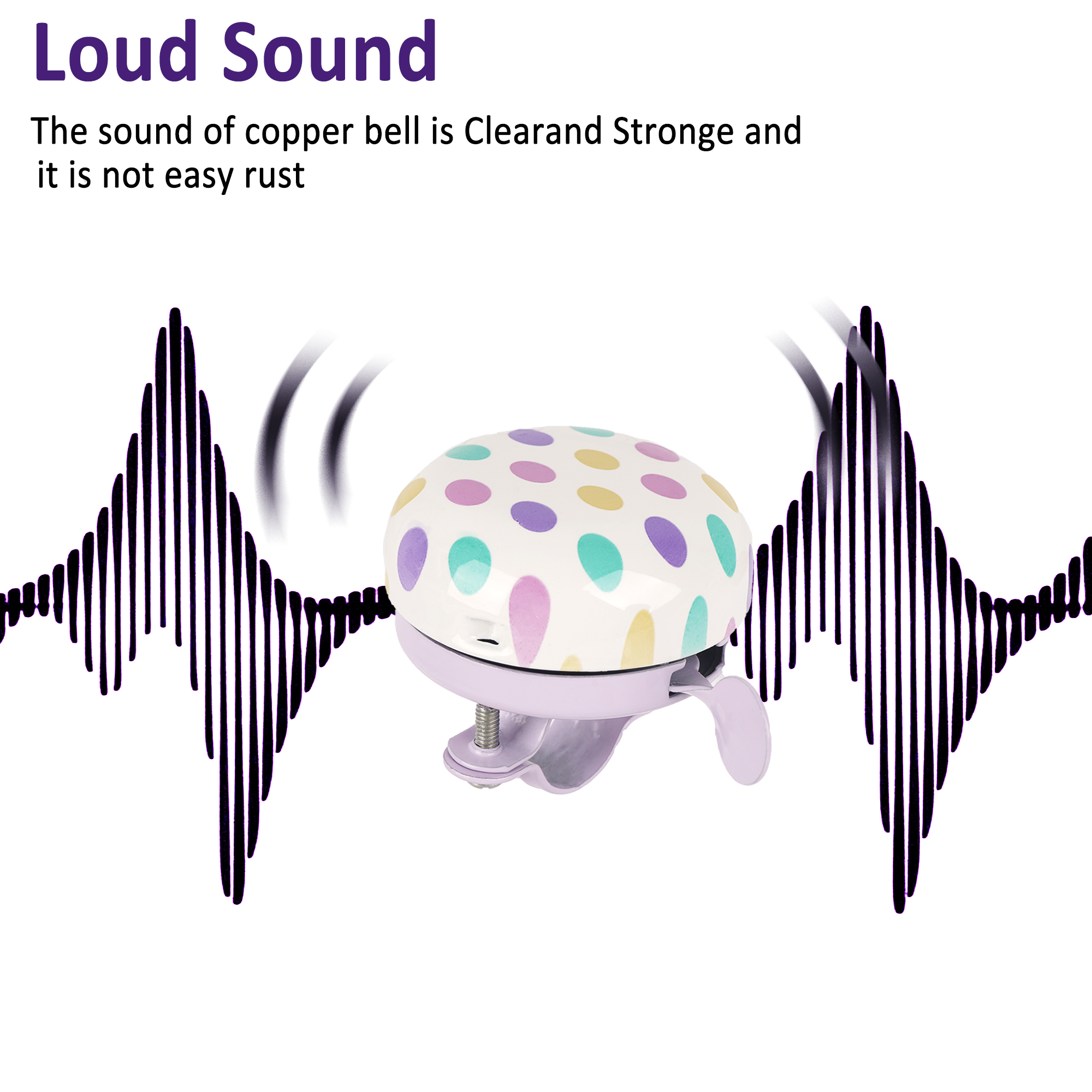
The RidingRush unit features a solid metal dome. From an acoustic engineering perspective, metal is superior for producing a “ping” that carries over distance. Plastic absorbs vibration, leading to a muffled sound. Metal vibrates freely, creating a high-pitched, crisp ring. This specific pitch is distinct from general background noise, making it easier for pedestrians to identify as a bicycle approaching.
Durability in Real-World Conditions
Kids drop bikes. They crash scooters. They leave tricycles out in the rain. A bell mounted on the handlebars is often the first point of impact during a fall.
* Plastic Bells: Often snap at the mounting bracket or the dome cracks, rendering them silent.
* RidingRush Metal Bell: The metal construction is designed to withstand impact. While the paint might scratch over time with rough use, the structural integrity of the bell generally holds up better than plastic counterparts.
The glossy finish featuring pastel rainbow dots is baked onto the metal, which helps resist chipping better than a simple adhesive sticker.
Usability and Ergonomics
A bike bell is useless if a three-year-old cannot operate it while steering. The trigger mechanism on the RidingRush bell is a spring-loaded lever.
The Thumb Trigger
Unlike “twist” bells which can be difficult for small hands to grip while maintaining control of the handlebars, the lever action requires a simple flick of the thumb. This design allows the child to keep their hand wrapped around the grip, extending only the thumb to ring the bell. This maintenance of grip is crucial for stability, especially for learners who might wobble when they move their hands.
Sound Profile
The manufacturer describes the sound as a “clear and loud ring.” In practice, this vintage-style mechanism produces a single, resonant “ding” rather than a continuous trill. This sound is generally loud enough to alert a pedestrian 20 to 30 feet away, which gives the child ample time to maneuver. It is assertive without being startlingly aggressive, striking a good balance for sidewalk riding.
Installation and Compatibility
Parents often struggle with accessories that require complex mounting systems or proprietary tools. The RidingRush bell uses a standard screw-on clamp system.
Handlebar Fit
The clamp is designed to fit most standard kids’ bikes, trikes, and scooters.
* Bicycles: Fits standard 22mm handlebars common on 12-inch to 20-inch bikes.
* Scooters: Compatible with most T-bar scooters, though some micro-scooters with thick rubber grips may require you to move the grip slightly to expose the metal bar for mounting.
The Screw-On Security
The bell comes with the necessary screw hardware. To install it, you will need a standard screwdriver (not always included in the package, so check your toolbox).
* Pros: Screw-on mounts are significantly more secure than snap-on plastic clips or rubber bands. Once tightened, the bell is unlikely to rotate or fall off, even during bumpy rides over grass or gravel.
* Cons: It takes a few minutes to install, and you cannot easily swap it between bikes without tools.

Buying Considerations: Is This the Right Bell?
While the RidingRush bell offers significant upgrades over cheap plastic alternatives, there are trade-offs to consider based on your specific needs.
Who This Is For
* Safety-Conscious Parents: If you want a functional alert device that actually clears the path, the metal resonance is superior to squeakers.
* Toddlers and Young Girls: The “Cute Polka Dot” aesthetic with pastel rainbow colors is specifically designed to appeal to younger riders who love colorful accessories.
* Scooter Riders: The compact footprint fits well on crowded scooter handlebars.
Who This Might Not Be For
* Electronic Horn Fans: Some children prefer electronic sirens with multiple sound effects. This bell does one thing—a mechanical ring—and does not require batteries.
* Oversized Handlebars: If your child has a specialized electric bike or a toy with unusually thick plastic handlebars, the standard clamp diameter might be too small.
Comparison: Mechanical Bell vs. Rubber Squeaker
When outfitting a child’s bike, the main alternative to a metal bell is the rubber squeaker (often shaped like animals).
| Feature | RidingRush Metal Bell | Rubber Squeaker |
| :— | :— | :— |
| Sound Type | Crisp, high-pitch “Ding” | Low-pitch “Honk” or “Squeak” |
| Recognition | Universally recognized as a bike | Often ignored as a toy sound |
| Durability | High (Metal) | Low (Rubber degrades in sun) |
| Profile | Compact, sits on top of bar | Bulky, hangs off bar |
| Operation | Thumb flick | Whole hand squeeze |
The thumb flick operation of the RidingRush Polka Dot Bell encourages better riding form, as the child does not have to take their hand off the handlebar to squeeze a bulb.
Long-Term Value and Maintenance
One of the hidden benefits of a mechanical metal bell is longevity. There are no batteries to replace and no electronics to short out in the rain. Maintenance is minimal. If the sound becomes dull, it usually means the dome has rotated and is touching the handlebar or brake lever; simply rotating it back to a free-floating position restores the sound. If the lever becomes sticky after a season in the garage, a single drop of lubricant usually restores the action.
Because the design is “vintage” rather than tied to a specific fleeting cartoon trend, it tends to age well. A polka dot pattern remains relevant longer than a character from a movie that might be unpopular next year.
Conclusion
The RidingRush Kids Bike Bell succeeds because it treats a child’s accessory with the same functional standards as adult equipment. It moves away from the “toy” category and into the “equipment” category by utilizing metal construction and a proper internal striker mechanism.
For parents, the peace of mind comes from the clear, piercing sound that effectively alerts pedestrians. For the child, the appeal lies in the colorful, approachable design and the satisfaction of the mechanical action. If you are looking to equip a balance bike, tricycle, or scooter with a safety tool that will survive the learning curve, this metal bell is a robust choice.
Frequently Asked Questions
Will this bell fit a Micro Mini or Maxi scooter?
Most kick scooters use standard diameter tubing for the T-bar. The RidingRush bell clamp is designed to fit these standard bars. However, you may need to slide the rubber handgrip slightly outward to create enough space on the metal bar for the clamp to secure tightly.
Is the sound loud enough for busy areas?
The metal dome produces a sharp, high-pitched ring that cuts through ambient noise better than plastic clickers. While it may not compete with heavy traffic noise, it is perfectly adequate for parks, sidewalks, and suburban streets.
Can a 2-year-old operate the lever?
The lever is spring-loaded but designed for low resistance. Most toddlers aged two and up have the thumb strength and coordination to flick the lever, especially after a few practice tries.
Is the polka dot design a sticker?
No, the design is a glossy finish applied to the metal. This ensures that the dots do not peel off like paper stickers, maintaining the “cute” look even after exposure to sunlight and weather.
Does it come with the screwdriver needed for installation?
Typically, the package includes the bell and the mounting hardware (screw), but it does not always include the screwdriver. You will likely need a standard Phillips-head screwdriver to tighten the clamp.