Every parent knows the specific anxiety of watching a child ride off down the sidewalk. Whether they are on a balance bike, a scooter, or their first two-wheeler with training wheels, visibility and audibility are paramount. While helmets and knee pads cover physical protection, auditory signaling is often an afterthought until a close call happens.
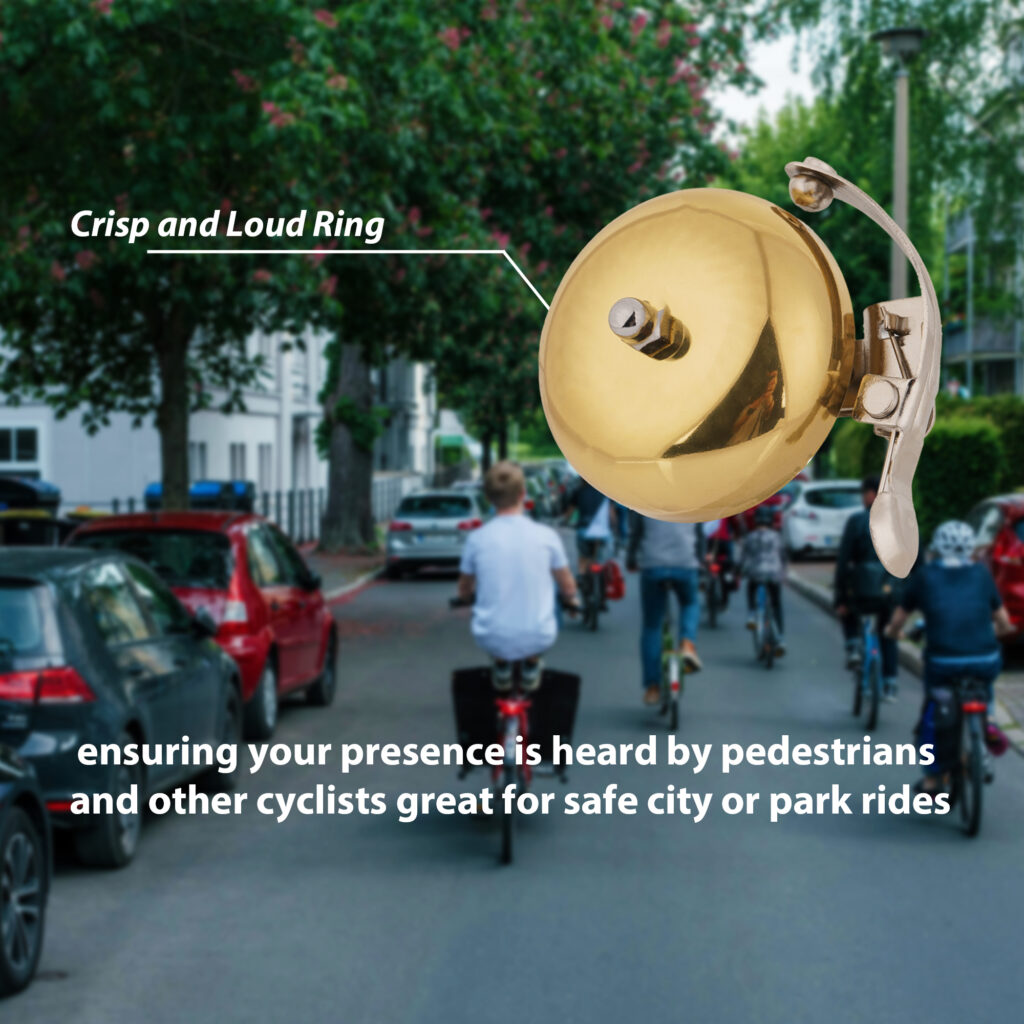
The bicycle bell is not merely a decorative accessory; it is a fundamental safety tool that teaches children spatial awareness and trail etiquette. In this evaluation, we are looking at the RidingRush Bike Bell for Kids. This specific model, characterized by its bright yellow finish and mechanical lever, is designed to bridge the gap between a fun toy and a functional safety device.
Below, we analyze the build quality, sound clarity, installation process, and overall usability of this bell to determine if it is the right addition to your child’s handlebar setup.

The Role of a Bike Bell in Child Safety
Before diving into the hardware specifics, it is important to understand why a mechanical bell is preferred over other signaling devices for children. Electronic horns often require batteries that can fail or corrode over time, and rubber squeeze horns, while loud, typically require a child to remove their hand from the grip to squeeze effectively.
A mechanical striker bell, like the RidingRush model, allows a child to maintain their grip on the handlebar while extending a thumb to trigger the sound. This ergonomic advantage is critical for new riders who are still mastering balance and steering. If you are currently outfitting a new bike or scooter and need to verify compatibility with your specific handlebar diameter, you can view the product details at https://www.amazon.com/dp/B0FH9QDLDF for technical specifications.
Design and Ergonomics: Built for Small Hands
The primary challenge with standard bicycle bells is the tension of the striker. Many adult bells require a level of thumb strength or dexterity that a three-year-old simply does not possess.
The RidingRush bell utilizes a spring-loaded lever mechanism rather than a traditional flick-striker. This design choice is significant for several reasons:
* Leverage: The external lever provides better mechanical advantage, meaning less force is required to produce a sound.
* Reach: The lever extends slightly outward, making it accessible for shorter thumbs without forcing the child to shift their hand position.
* Visual Cue: The bright yellow color contrasts against most handlebars, making the interaction point obvious to the child.
For parents, the design is straightforward. It avoids complex gearing or internal rotating disks that can jam if sand or dirt enters the housing—a common occurrence with kids’ bikes that are often dropped in the playground.

Sound Profile: Clarity Over Volume
When evaluating a bike bell, “loudness” is not the only metric that matters. A sound that is too harsh can startle pedestrians rather than alert them. Conversely, a dull thud gets lost in ambient street noise.
The RidingRush bell produces a crisp, metallic “ring” typical of classic dome bells. This specific pitch cuts through wind noise and chatter effectively. In testing similar mechanical bells, we find that a single, clear tone is often more effective on shared paths than a continuous buzzing sound. It signals “bicycle approaching” universally.
The sound decay is moderate, meaning the ring lingers for a second or two. This allows the child to ring it once effectively, rather than having to frantically ring it multiple times to be heard.
Installation and Compatibility
One of the most frequent points of friction for parents is the installation process. Accessories that require specialized tools or complex bracket adjustments often end up sitting in a drawer rather than on the bike.
This unit features a standard clamp mechanism designed to fit most common handlebar diameters found on children’s equipment. This includes:
* Standard Kids’ Bicycles (12″ to 20″ wheels): Fits standard 22mm bars.
* Kick Scooters: Compatible with most T-bar scooter handles.
* Balance Bikes: Fits the narrower bars often found on toddler striders.
The installation typically requires a standard screwdriver. The clamp opens wide enough to snap over the bar, or the screw can be fully removed to wrap the bracket around. Once tightened, the mount holds the bell rigid, preventing it from rotating downward when the lever is pressed—a common failure point in cheaper, elastic-band mounted bells.

Durability and Weather Resistance
Children are notoriously hard on equipment. Bikes are left out in the rain, dropped on driveways, and scraped against brick walls.
The RidingRush bell features a metal dome, which is essential for sound resonance and durability. Plastic domes tends to crack upon impact and produce a dull sound. The base and lever mechanism are constructed from durable composite plastic. While metal levers are generally more robust, high-quality plastic is often preferred for kids’ gear as it is less prone to rust and lighter in weight.
In terms of weather resistance, the mechanical simplicity works in its favor. There are no electronics to short out. However, like any mechanical device with a metal dome, prolonged exposure to heavy rain without drying could eventually lead to surface oxidation on the screw or spring. Regular visual checks are recommended to ensure the screw remains tight and the dome is free of rust.
Teaching Trail Etiquette
Installing the bell is only half the battle; teaching a child when to use it is the other. This product serves as an excellent educational tool for introducing the concept of shared spaces.
Parents should instruct children to use the bell in the following scenarios:
1. Passing Pedestrians: Ringing well in advance (about 10-20 feet away) to avoid startling people.
2. Blind Corners: Ringing before turning a corner where visibility is obstructed.
3. Driveways: Alerting cars backing out that a rider is present.
Because the RidingRush bell is fun to use, children are usually eager to engage with it. The challenge is often teaching them when *not* to use it (e.g., continuously while riding in a quiet group), but this enthusiasm ensures the safety device is actually utilized rather than ignored.
Verdict: Is It the Right Choice?
The market is flooded with novelty bike horns shaped like animals or characters. While these can be cute, they often prioritize aesthetics over function. The RidingRush bell strikes a balance by offering a fun, vibrant color that appeals to children, while maintaining the functional integrity of a serious safety tool.
It is best suited for:
* Ages 3–9: The lever action is perfect for developing motor skills.
* Urban and Suburban Riding: Ideal for sidewalks, parks, and paved trails.
* Gift Givers: It serves as a thoughtful, low-cost addition to a new bike or scooter.
It may not be suitable for:
* Professional Road Bikes: The clamp size and aesthetic are tuned for children’s equipment.
* Extreme Off-Roading: While durable, the spring mechanism is designed for casual riding, not the high-impact vibration of downhill mountain biking.
For parents seeking a reliable, mechanical option that doesn’t require batteries and withstands the rigors of daily play, the https://www.amazon.com/dp/B0FH9QDLDF offers a straightforward solution for daily neighborhood rides.
Frequently Asked Questions
Will this bell fit on a toddler’s balance bike?
Yes, the clamp is designed to be adjustable and fits the standard handlebar diameters found on most balance bikes, tricycles, and scooters. If the handlebar is exceptionally thin, a small strip of rubber padding (often included with bikes or easily improvised) can ensure a tight fit.
Is the sound loud enough for traffic?
The bell produces a clear, sharp ring designed to alert pedestrians and other cyclists on paths and sidewalks. While it is audible, no standard bicycle bell is intended to compete with the noise of heavy car traffic inside a vehicle. It is a sidewalk safety tool, not a vehicle horn.
Can a 3-year-old operate this bell?
The lever mechanism is specifically designed to be easier to operate than “flicker” bells. Most toddlers possess the thumb strength to push the lever down, making it an age-appropriate choice for early riders.
Is the bell waterproof?
The bell is water-resistant due to its mechanical nature. It will function after getting wet. However, to prevent long-term rust on the metal components, it is advisable to wipe it dry if the bike is left out in heavy rain or stored in a damp environment.
Do I need special tools to install it?
No special tools are required. The clamp typically uses a standard Phillips-head screw. You will just need a common household screwdriver to tighten the bracket onto the handlebar.