Every cyclist knows the sound. It starts as a faint whisper and eventually turns into a distinct, gritty grinding noise every time you pedal. A dirty drivetrain is not just an auditory annoyance; it acts as a grinding paste that wears down expensive cassettes, chainrings, and derailleur pulleys much faster than necessary. While there are countless gadgets on the market promising to clean your chain automatically, there is often no substitute for manual agitation and targeted cleaning.
The debate between using high-tech cyclone cleaners and traditional manual brushes is ongoing, but the fundamental requirement for bike maintenance remains the same: you must physically remove the grit to protect the metal. For riders who prefer a tactile, controlled approach to maintenance, the RidingRush Bike Chain Cleaner Kit provides a dedicated set of tools designed to reach the tight spaces between cogs and links where road grime accumulates.
Understanding the Kit: What’s in the Box?
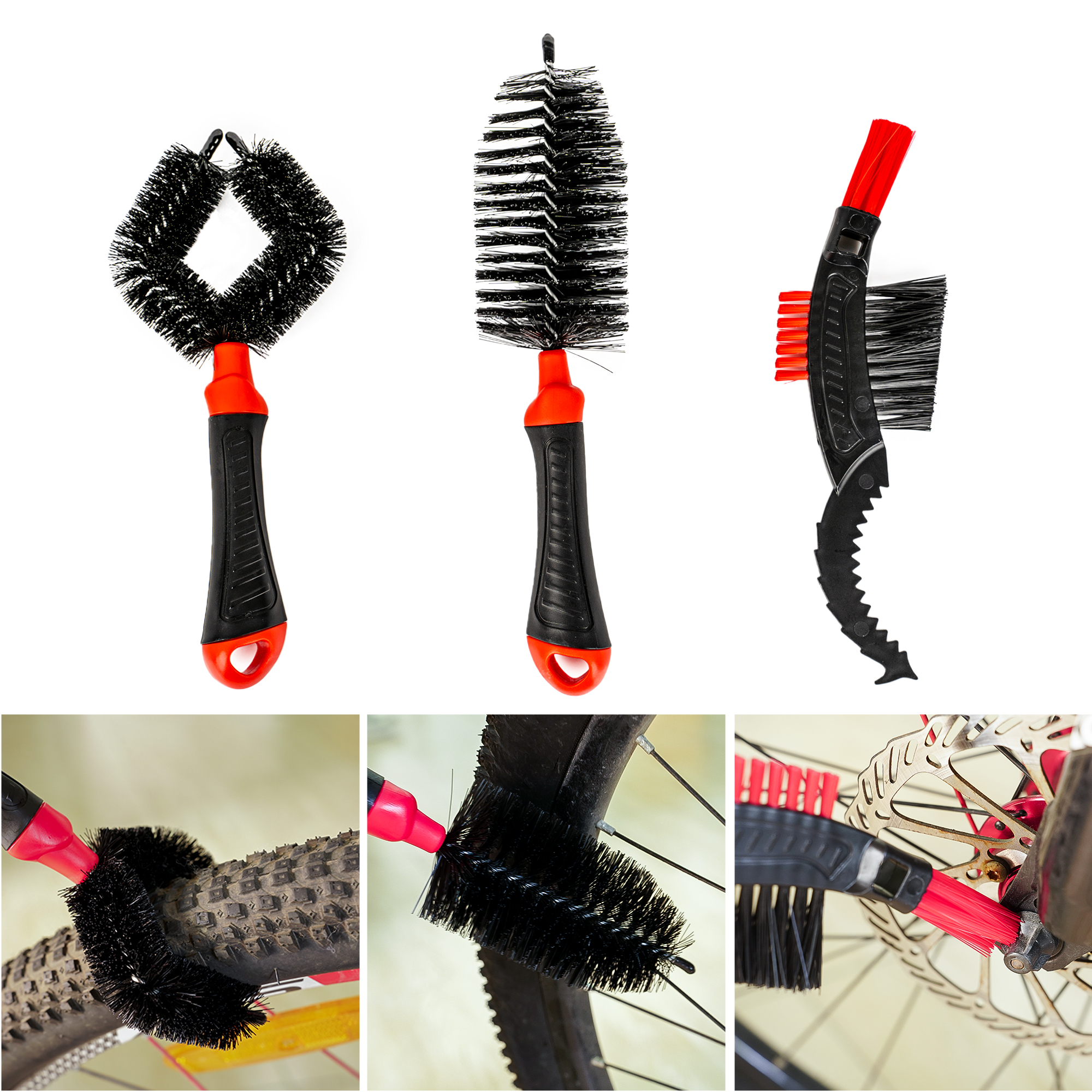
When evaluating bike maintenance tools, it is essential to look past the packaging and examine the utility of the components. The RidingRush set is not a mechanical device but a manual toolset. It includes a specialized chain cleaning brush with dual ends, a gear cleaning sickle (often called a cassette hook), and a set of aluminum valve caps.
The primary tool features a three-sided bristle configuration on one end, designed to surround the chain, and a longer, stiffer bristle brush on the other end for cleaning derailleurs and cranksets. This dual-ended design is standard in the industry because it allows the mechanic to switch between scrubbing the chain rollers and clearing mud off the jockey wheels without swapping tools.
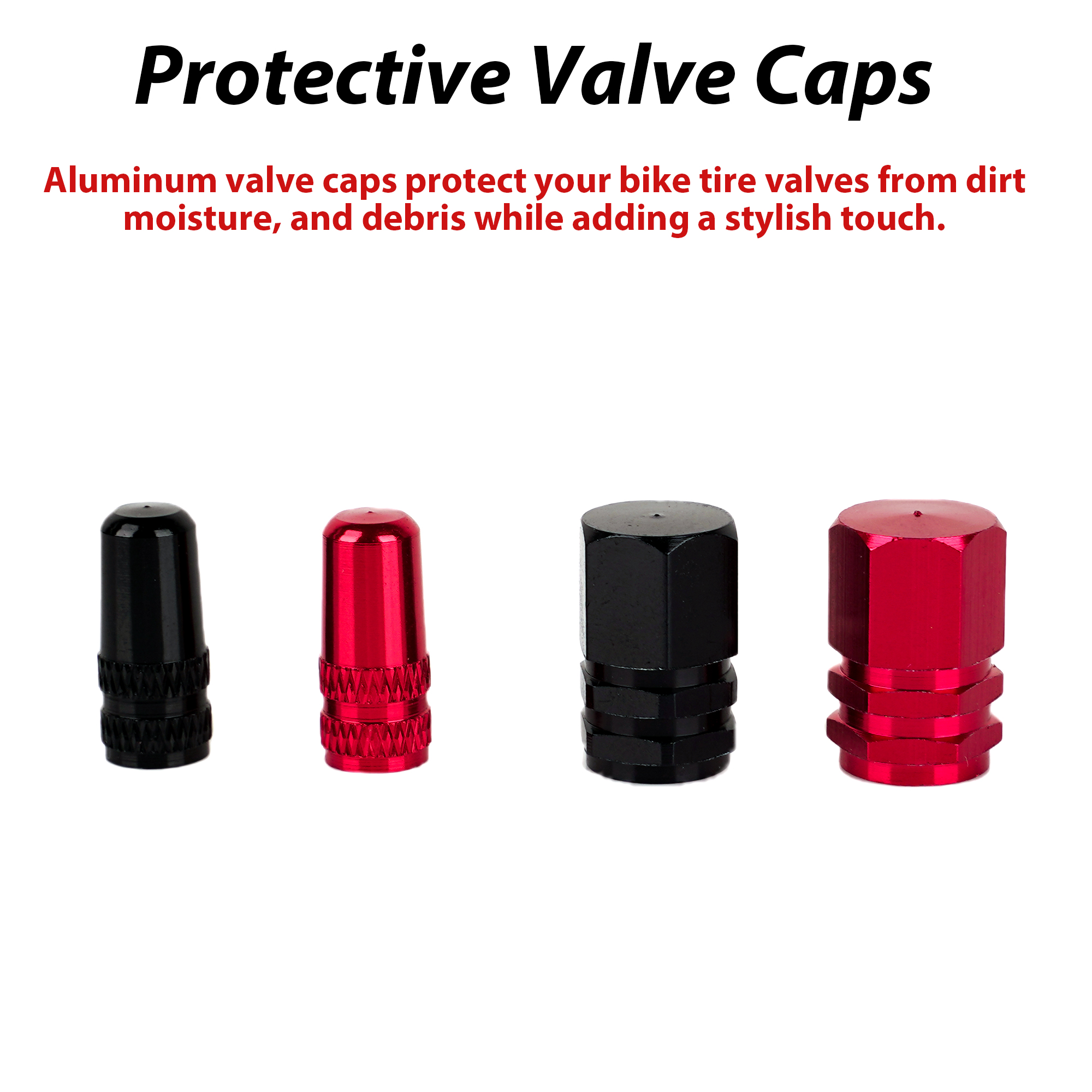
The inclusion of aluminum valve caps is a notable addition. Most bicycles come from the factory with plastic caps that become brittle and crack over time, exposing the valve core to moisture and dirt. Aluminum caps offer a significant durability upgrade and better protection for the valve threads, whether you are running Presta or Schrader valves.
Performance and Usability
The Ergonomics of Manual Scrubbing
The effectiveness of a cleaning brush largely depends on the stiffness of the bristles and the rigidity of the handle. If the bristles are too soft, they simply glide over the grease without dislodging it. If they are too hard, they can potentially damage O-ring seals on specialized chains.
The RidingRush brushes utilize Polypropylene (PP) bristles. In practical application, this material strikes a balance between durability and flexibility. During use, the bristles are stiff enough to scrape dried mud and congealed lubricant off the cassette teeth but pliable enough to bend into the gaps between the chain links. The ergonomic handle is shaped to provide leverage, which is crucial when you are applying force to scrub a cassette that hasn’t been cleaned in months.
Versatility Across Bike Types
One of the distinct advantages of a manual brush set over a clamped chain cleaner is versatility. Clamped cleaners often struggle with single-speed bikes, BMX setups, or odd frame geometries where space is limited.
This manual set works seamlessly across different disciplines. Whether you are maintaining a muddy mountain bike (MTB) or a road bike with tight clearances, the brush can be maneuvered to fit the specific drivetrain. The gear sickle is particularly useful for digging out the “grass” and grime that wraps around the rear cassette of an MTB, a task that liquid-based cleaners often fail to accomplish.
The Role of Valve Protection
While the brushes handle the drivetrain, the included valve caps address the wheels. Many riders overlook their valve caps until they try to inflate a tire and find the valve core clogged with mud or corroded by moisture.
The kit includes aluminum caps suitable for both Presta and Schrader valves. Presta valves are the skinny style found on most road and high-end mountain bikes, while Schrader valves resemble those found on cars. The upgrade to aluminum is functional rather than just aesthetic; metal caps provide a tighter seal against the elements and are far less likely to strip or crack when tightened with cold or gloved hands.
Buying Considerations: Manual vs. Mechanical
Before investing in a cleaning kit, it is important to understand the trade-offs between manual brushes and mechanical “cyclone” baths.
The Case for Manual Brushes
* Precision: You can see exactly where you are scrubbing. If a specific link is stiff, you can focus your efforts there.
* Simplicity: There are no moving parts to break. Mechanical cleaners often have plastic clips or sponges that wear out.
* Cost-Effectiveness: Manual brushes are generally less expensive and last longer.
* Deep Cleaning: A gear sickle can physically scrape out solid debris that a liquid bath cannot dissolve.
The Trade-offs
* Effort Required: This is not a “spin and done” solution. You must apply elbow grease and manually rotate the pedals while scrubbing.
* Mess Factor: Scrubbing a chain with a brush can flick dirty degreaser onto the frame or floor. It is best done outdoors or with a drop cloth.
* Supplies: This kit is a toolset, not a chemical set. You will still need to purchase a quality degreaser and chain lubricant separately.
Who Should Use This Kit?
This product is best suited for the “hands-on” cyclist. If you take pride in the process of maintenance and prefer to inspect your components closely while cleaning, a manual brush set is superior to automated gadgets. It allows for a detailed inspection of the chain links and cassette teeth, helping you spot wear and tear before it becomes a failure on the road.
Conversely, if you are looking for a solution that keeps your hands entirely clean and requires zero scrubbing effort, you might find a manual brush set tedious. However, even for those who use mechanical cleaners, a brush is often necessary for the derailleur pulleys and chainrings, which mechanical baths cannot reach.
Long-Term Value and Maintenance
Investing in proper cleaning tools is essentially investing in the lifespan of your bike. A clean chain shifts smoother, pedals quieter, and wears down the expensive metal of the cassette much slower than a dirty one. By using the RidingRush Bike Chain Cleaner regularly, you prevent the buildup of abrasive paste that destroys drivetrains.
The durability of the tools themselves is also a factor. The PP bristles are resistant to most chemical degreasers, meaning the brush won’t dissolve or lose its stiffness after exposure to solvents. The aluminum valve caps are effectively a lifetime purchase, as they do not degrade like plastic.
Frequently Asked Questions
Q: Can I use this brush set on a motorcycle chain?
A: While the design is similar to motorcycle brushes, bicycle chains are significantly smaller. This brush is sized specifically for standard bicycle chain widths (road, MTB, BMX). It may be too small to effectively clean a heavy-duty motorcycle chain.
Q: Does the kit come with degreaser fluid?
A: No, this is a tool-only kit. You will need to purchase a bike-specific degreaser or cleaning solvent separately to use with the brushes.
Q: Will the bristles scratch my bike frame?
A: The bristles are made of Polypropylene, which is softer than the metal of your frame but can be abrasive to paint if used aggressively on the finish. These brushes are designed for the metal drivetrain components (chain, cassette, gears) and should be kept away from the painted frame tubes to avoid swirl marks.
Q: Are the valve caps compatible with tubeless setups?
A: Yes, provided the valve stem is the correct type (Presta or Schrader), the caps function purely as a protective cover and are fully compatible with tubeless valve stems.
Q: How do I clean the brush after use?
A: Rinse the brushes with warm water and dish soap or a mild degreaser to remove the accumulated grime. Shake them dry and store them in a ventilated area to ensure the bristles remain in good condition.