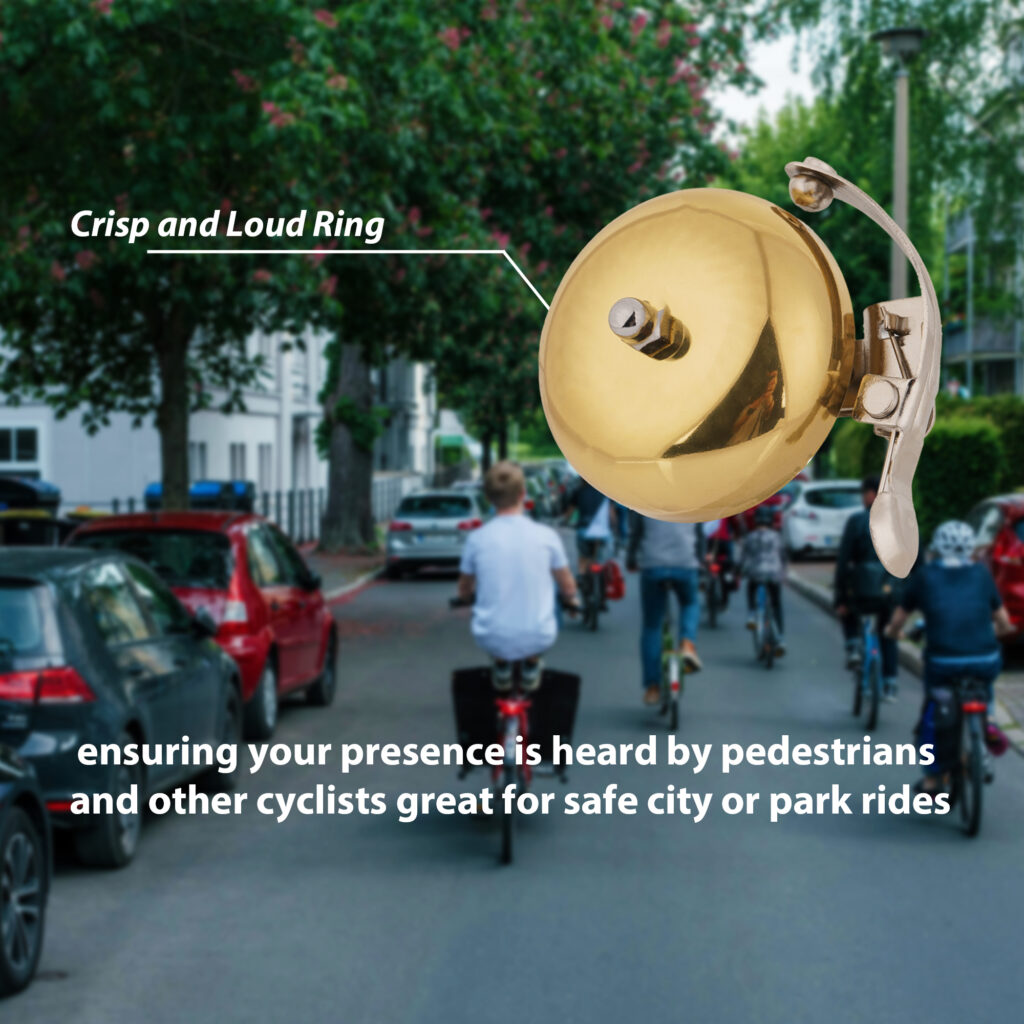
Improving Shared-Path Safety: An Evaluation of the RidingRush Classic Bike Bell
Navigating shared spaces on two wheels requires more than just balance and momentum; it requires effective communication. For urban commuters, recreational cyclists, and parents supervising young riders, the ability to signal presence politely but effectively is a critical component of ride safety. Shouting “on your left” often startles pedestrians or goes unheard in noisy environments. A mechanical signal, specifically a classic ring bell, remains the standard for courteous trail etiquette.
The RidingRush Bike Ring Bell offers a solution rooted in traditional design mechanics while addressing modern compatibility issues. By utilizing a metal dome construction and a variable mounting system, this accessory aims to bridge the gap between aesthetic appeal and audible functionality. For those looking to equip a mountain bike, road bike, or a child’s scooter with a reliable signaling device, you can view the specifications here: https://www.amazon.com/dp/B0FH8ZFRHZ.
Design Philosophy and Build Quality
The core function of any bicycle bell is to produce sound, but the form factor determines its longevity and usability. The RidingRush bell utilizes a classic metal dome design. Unlike plastic striker bells that produce a dull “thud” or muted click, metal bells are engineered to resonate. When the internal striker hits the brass or alloy shell, it creates a sustained ring tone. This specific acoustic profile is generally perceived as friendly rather than aggressive, making it ideal for mixed-use paths where cyclists interact with pedestrians and dog walkers.

Visually, the gold finish offers a retro aesthetic that complements vintage steel frames while adding a touch of contrast to modern matte-black cockpits. However, beyond aesthetics, the metal construction provides durability against the elements. Plastic components often become brittle after prolonged exposure to UV rays or freezing temperatures, whereas metal shells maintain their structural integrity and sound quality over distinct seasons.
Universal Compatibility and Fitment
One of the most frequent challenges cyclists face when purchasing accessories is handlebar diameter compatibility. Bicycle handlebars are not standardized to a single size; they typically vary based on the bike’s discipline.
* 22.2mm: Standard for mountain bike grips, BMX, and city bike control areas.
* 25.4mm: Common on older road bikes and some commuter bars.
* 31.8mm: The modern standard for road bike and MTB clamping areas near the stem.
The RidingRush bell addresses this fragmentation with a mounting system designed to accommodate diameters ranging from 0.87 to 1.25 inches (22.2mm to 31.8mm). This range is significant because it allows the bell to be transferred between different types of equipment. A user could install it near the stem of a road bike one season and move it to the grip area of a flat-bar commuter the next. It is also compatible with the narrower tubing found on kick scooters, extending its utility to younger riders.

Acoustic Performance in Real-World Scenarios
The effectiveness of a bike bell is measured by its ability to cut through ambient noise without inducing panic. In testing environments, a “loud and clear” sound profile is preferred over sheer volume. The RidingRush bell is designed to produce a crisp, high-pitched tone.
In a park setting, this tone carries well over wind noise and casual conversation. The sustain of the ring allows the cyclist to signal from a safe distance—typically 20 to 30 feet back—giving the pedestrian ample time to react. However, it is important to note the limitations of mechanical bells in high-traffic urban environments. While effective on bike paths, a mechanical ring may not penetrate the sound-insulated cabin of a motor vehicle. For interactions with heavy traffic, this device serves as a secondary auditory signal, not a replacement for defensive riding or electronic horns.
Installation and Ergonomics
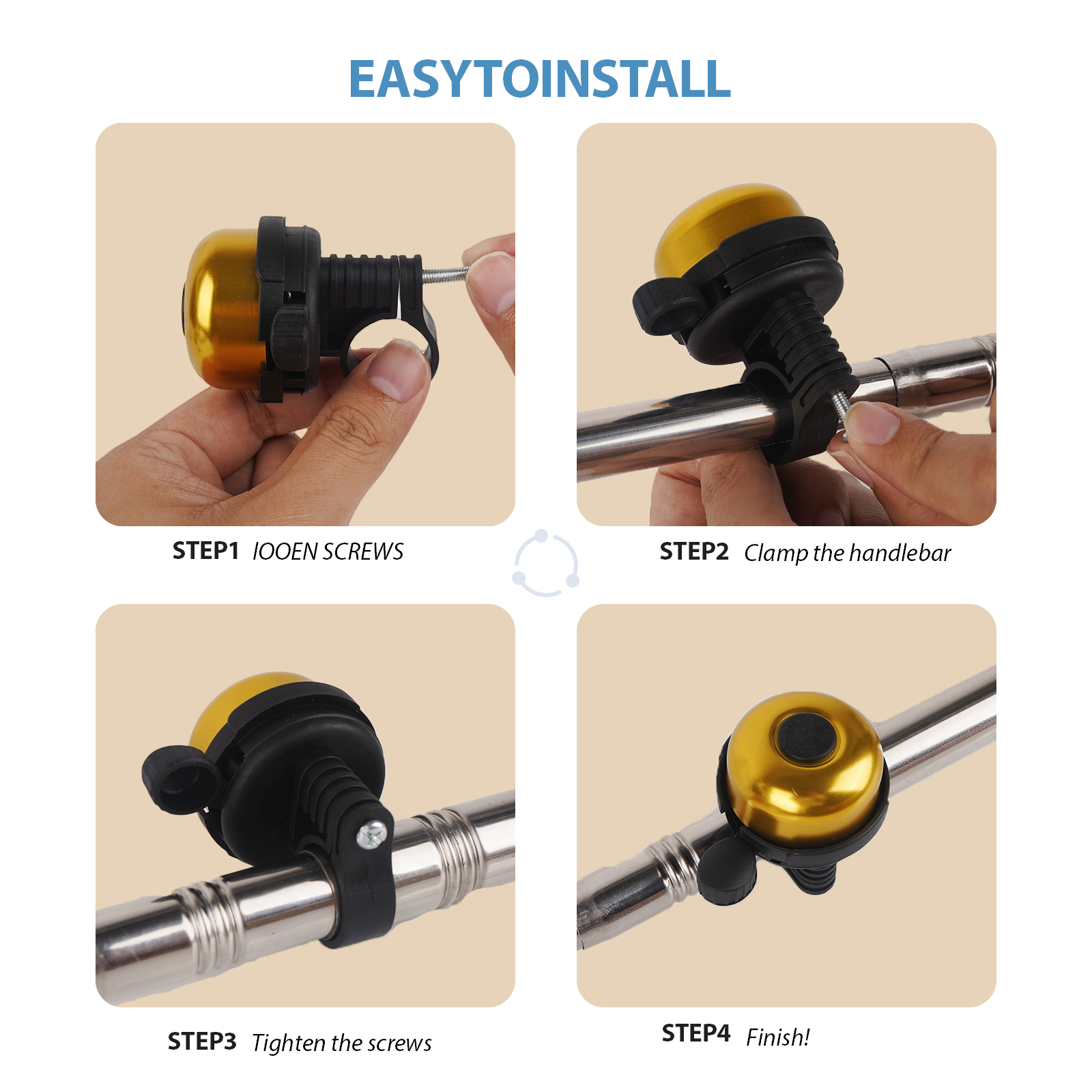
Ease of installation is a key factor for home mechanics and casual riders. The RidingRush bell utilizes a clamp-style mount that generally requires a standard screwdriver or hex key (depending on the specific bolt provided). The process involves:
1. Selecting the desired position on the handlebar (usually the non-drive side for left-hand operation).
2. Opening the clamp and placing it around the bar.
3. Tightening the screw until the bell is immobile.
Ergonomically, the lever position is critical. The striker should be positioned where the thumb can naturally flick it without the rider needing to remove their hand from the grip or brake lever. Because of its compact footprint, this bell rarely interferes with shifters or brake reservoirs, a common issue with larger, horn-style devices.
Comparative Analysis: Metal vs. Electronic vs. Plastic
When evaluating safety equipment, it helps to understand where a product sits in the broader market landscape.
Versus Plastic “Ping” Bells:
Entry-level bikes often come with plastic bells held on by rubber bands. While lightweight, these often lack resonance and volume. The RidingRush metal construction offers a significant upgrade in sound projection and durability for a marginal increase in weight.
Versus Electronic Horns:
Electronic horns can reach decibel levels similar to car horns, making them safer for road riding alongside vehicles. However, they require batteries, are often bulky, and can be too aggressive for quiet trails. The RidingRush bell requires no power source and offers a tone that is polite rather than alarming, making it superior for pedestrian-heavy routes.
Versus High-End Boutique Bells:
There is a market for premium bells costing significantly more, often featuring brass alloys and precise modulation. While the RidingRush bell may not offer the infinite sustain of a luxury accessory, it provides the essential functionality—clear sound and reliable mounting—at a much more accessible entry point for general consumers and families.
Who Should Consider This Bell?
* Urban Commuters: For navigating bike lanes and signaling other cyclists at intersections.
* Parents: The adjustable fit makes it suitable for kids’ bikes and scooters, teaching young riders the importance of signaling early.
* Recreational Riders: The classic look fits well on cruisers, folding bikes, and hybrids used for weekend leisure rides.
Final Verdict on Long-Term Value
Safety accessories are often overlooked until a near-miss occurs. Investing in a reliable auditory signal is a proactive step toward safer cycling. The RidingRush Bike Ring Bell combines a universal fit system with a classic, resonant sound profile, making it a versatile choice for a wide variety of handlebars. Its metal construction suggests better longevity than plastic alternatives, and the ease of installation ensures it can be set up in minutes. For those seeking a dependable way to alert others on the path, this bell is a practical addition to any cockpit: https://www.amazon.com/dp/B0FH8ZFRHZ.
Frequently Asked Questions
Will this bell fit on a thick road bike handlebar?
Yes, the clamp is designed to expand up to 31.8mm, which is the standard diameter for the thickest part of most modern road bike handlebars (near the stem).
Is the sound loud enough to be heard by drivers inside cars?
Generally, no. Mechanical bike bells are designed to alert pedestrians, other cyclists, and hikers. They typically do not generate enough decibels to penetrate a car’s cabin, especially if windows are up or music is playing.
Can children operate this bell easily?
The mechanism uses a spring-loaded striker that requires a flick of the thumb. Most children can operate this easily, provided the bell is mounted within reach of their thumb while their hand is on the grip.
Does the gold finish tarnish over time?
Like most metal bike accessories, the finish can weather if left outdoors constantly. However, wiping the bell dry after riding in the rain can help maintain the shine and prevent corrosion on the internal spring mechanism.
Is this bell compatible with carbon fiber handlebars?
While it fits the diameter, care should be taken when tightening any metal clamp onto carbon fiber. It is advisable not to overtighten to avoid crushing the carbon structure; just tighten enough so the bell does not rotate.