Evaluating the RidingRush Bike Bell: A Practical Safety Accessory for Young Riders
Safety on sidewalks and driveways is a primary concern for any parent supervising a child on wheels. Whether a child is mastering a balance bike, cruising on a scooter, or pedaling their first two-wheeler, their ability to signal their presence is a critical safety habit to develop early. While helmets and knee pads are standard protective gear, an audible signal device—specifically a bicycle bell—is often overlooked until a near-collision occurs.
The market is flooded with novelty horns and digital noisemakers, but often the most effective tool is a simple, mechanical ringer. For parents seeking a functional, non-electronic option, the RidingRush Bike Bell for Kids offers a classic design tailored specifically for smaller hands and standard youth handlebars. This review evaluates the bell’s installation process, sound clarity, and long-term usability to help you decide if it is the right addition to your child’s ride.

Understanding the Role of a Kids’ Bike Bell
A bike bell serves two distinct purposes for children. First, it is a functional safety device that alerts pedestrians, other riders, and even family pets that a vehicle is approaching. Second, it acts as a training tool. Teaching a child to ring their bell before passing or turning instills situational awareness and responsibility.
However, not all bells are suitable for young children. Many adult bells require a thumb strength that a three-year-old does not possess, or they are too large to fit on the narrower handlebars of a scooter or toddler bike. The RidingRush unit addresses these specific constraints by utilizing a lightweight lever mechanism and a compact footprint suitable for crowded handlebars.
Design and Build Quality
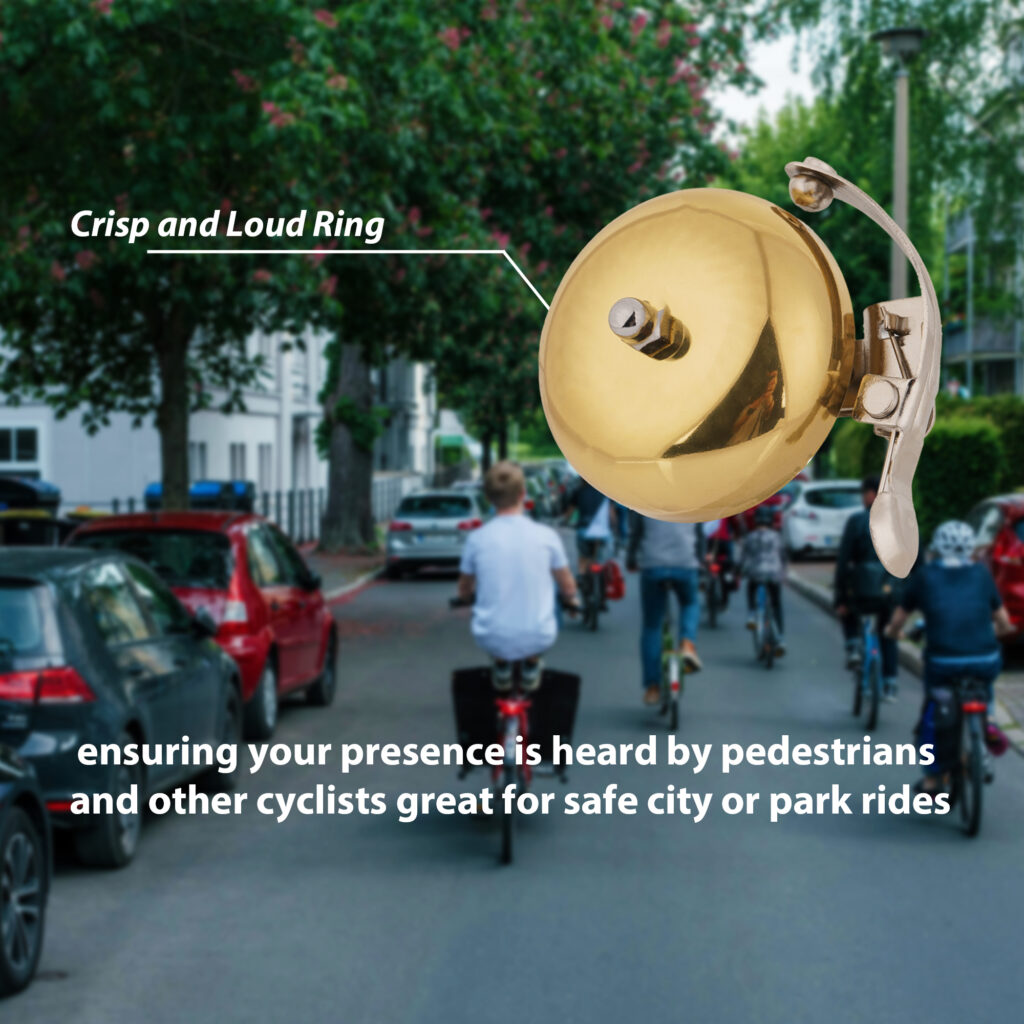
The RidingRush bell features a classic dome shape with a bright yellow finish, designed to be visually appealing to children without being overly distracting. The construction is a hybrid of metal and plastic components. The dome itself—the part that creates the sound—is metal, which is essential for resonance. Plastic domes simply do not carry sound effectively in outdoor environments.
The mounting bracket and the internal striker housing are made of durable plastic. While metal brackets are generally preferred for adult mountain biking due to extreme durability requirements, high-quality plastic is often superior for children’s accessories because it is lighter and less likely to rust if left out in the rain.

Audibility and Sound Profile
The primary metric for any bike bell is the sound it produces. A bell that sounds like a dull thud is useless in a park setting. The RidingRush bell produces a crisp, high-pitched “ping.” This specific frequency is effective because it cuts through ambient noise—such as wind or distant traffic—better than low-frequency sounds.
The volume is loud enough to alert a pedestrian walking 20 to 30 feet ahead, but it is not deafening to the rider. This balance is important; if a bell is too loud or startling, a child may be hesitant to use it.
Installation and Compatibility
One of the most frequent frustrations parents face with bike accessories is compatibility. Handlebar diameters vary significantly between scooters, balance bikes, and 16-inch pedal bikes.
The RidingRush bell utilizes a standard clamp system tightened via two screws. This design allows for a secure fit on most standard youth handlebars (typically around 22.2mm). The two-screw system provides even pressure, preventing the bell from rotating downward when the child presses the lever—a common failure point in cheaper, snap-on designs.
Installation Steps
1. Positioning: Place the bell near the grip so the child can reach the lever with their thumb without moving their hand off the handlebar.
2. Tightening: Use a standard screwdriver to tighten the screws. It is advisable to tighten them alternately to ensure the gap is even on both sides.
3. Testing: Ensure the bell does not spin and that the lever has clear clearance to snap back after being pressed.

Usability for Small Hands
The ergonomics of the trigger mechanism are specifically tuned for children. Some bells use a “striker” that must be pulled back and released, which requires fine motor control and a certain amount of finger strength.
This model uses a lever action that is generally easier for toddlers and preschoolers to operate. The resistance on the spring is low enough that a 3-year-old can typically activate it, yet strong enough to reset the lever immediately for a second ring. This rapid reset is vital if a child needs to ring the bell multiple times in quick succession to get attention.
Comparative Analysis: Mechanical vs. Novelty Horns
When outfitting a child’s bike, buyers often choose between a mechanical bell like the RidingRush and a rubber squeeze horn. While squeeze horns are fun, they have distinct disadvantages in a safety context.
* Reliability: Rubber horns can degrade in sunlight and crack over time, losing their ability to make sound. A mechanical bell relies on a spring and striker, which are far more consistent.
* Sound Recognition: The “honk” of a rubber horn is often interpreted as a toy or play noise. The clear ring of a bell is universally recognized as a cyclist’s signal, prompting pedestrians to step aside instinctively.
* Handlebar Real Estate: Squeeze horns are often bulky. The compact profile of the RidingRush bell leaves room for other accessories, such as a basket or a streamer attachment.
Limitations and Considerations
While this bell is an excellent choice for general neighborhood riding, there are specific limitations to consider based on your intended use.
Handlebar Size: This bell is designed for standard kids’ bikes and scooters. It may not fit the thicker handlebars found on some adult electric scooters or oversized mountain bikes without modification or longer screws.
Material Durability: While the metal dome is robust, the plastic mount means the bell should be treated with reasonable care. If a bike is repeatedly thrown onto concrete—a common occurrence with learning riders—the plastic clamp could eventually sustain damage, though it is generally resilient against standard wear and tear.
Long-Term Value and Verdict
Investing in a proper signaling device is a small price to pay for increased safety and rider confidence. The RidingRush bell moves beyond being a mere decoration; it is a functional tool that helps children navigate their environment more safely. Its combination of a clear, resonant sound and a child-friendly trigger mechanism makes it a practical choice for parents who prioritize utility and ease of use.
For families upgrading a scooter or preparing a new bike for the season, the RidingRush Bike Bell serves as a reliable, easy-to-install safety upgrade that encourages young riders to communicate their presence effectively.

Frequently Asked Questions
Does this bell fit on razor-style scooters?
Yes, most standard scooters use handlebar diameters similar to bicycles. The clamp on this bell is adjustable and typically fits standard scooter bars securely.
Is the bell weather-resistant?
The painted metal dome and plastic housing are resistant to rain and general outdoor conditions. However, like all mechanical devices, storing the bike indoors or under cover will prolong the life of the internal spring and prevent rust on the screws.
What tools are needed for installation?
You will generally need a standard Phillips-head screwdriver to tighten the mounting screws. No complex tools or hex keys are usually required.
Is the sound loud enough for busy areas?
The bell produces a sharp, clear ring designed to be heard over typical neighborhood noise. While it may not compete with heavy traffic noise, it is perfectly adequate for parks, sidewalks, and residential streets.
Can a 3-year-old use this bell?
The lever mechanism is designed with low resistance specifically for children. Most toddlers aged 3 and up possess the necessary thumb strength and coordination to operate the bell effectively.