Cycling is as much about communication as it is about propulsion. Whether you are navigating a crowded city street, a shared multi-use path, or a neighborhood sidewalk, the ability to signal your presence politely and effectively is critical. While electronic horns and vocal shouts have their place, the classic mechanical ring of a metal bell remains the universal language of bicycle safety.
For many riders, the stock bells that come with bicycles are often an afterthought—plastic, quiet, and prone to breaking after a season of use. The RidingRush Bicycle Bell positions itself as a robust alternative, utilizing a silver metal construction to deliver a clearer, louder sound profile. In this evaluation, we will look at how this specific accessory performs in real-world scenarios, examining its build quality, sound resonance, and installation versatility for both adult commuters and family fleets.

The Role of Auditory Signals in Cycling Safety
Before diving into the hardware, it is important to understand why a specific type of sound matters. Pedestrians often wear headphones or are distracted by conversation. A shout of “On your left!” can sometimes startle people, causing them to step unpredictably into your path. A clear, high-pitched metal “ding,” however, is a distinct frequency that cuts through ambient noise without carrying the aggression of a human shout or a car horn.
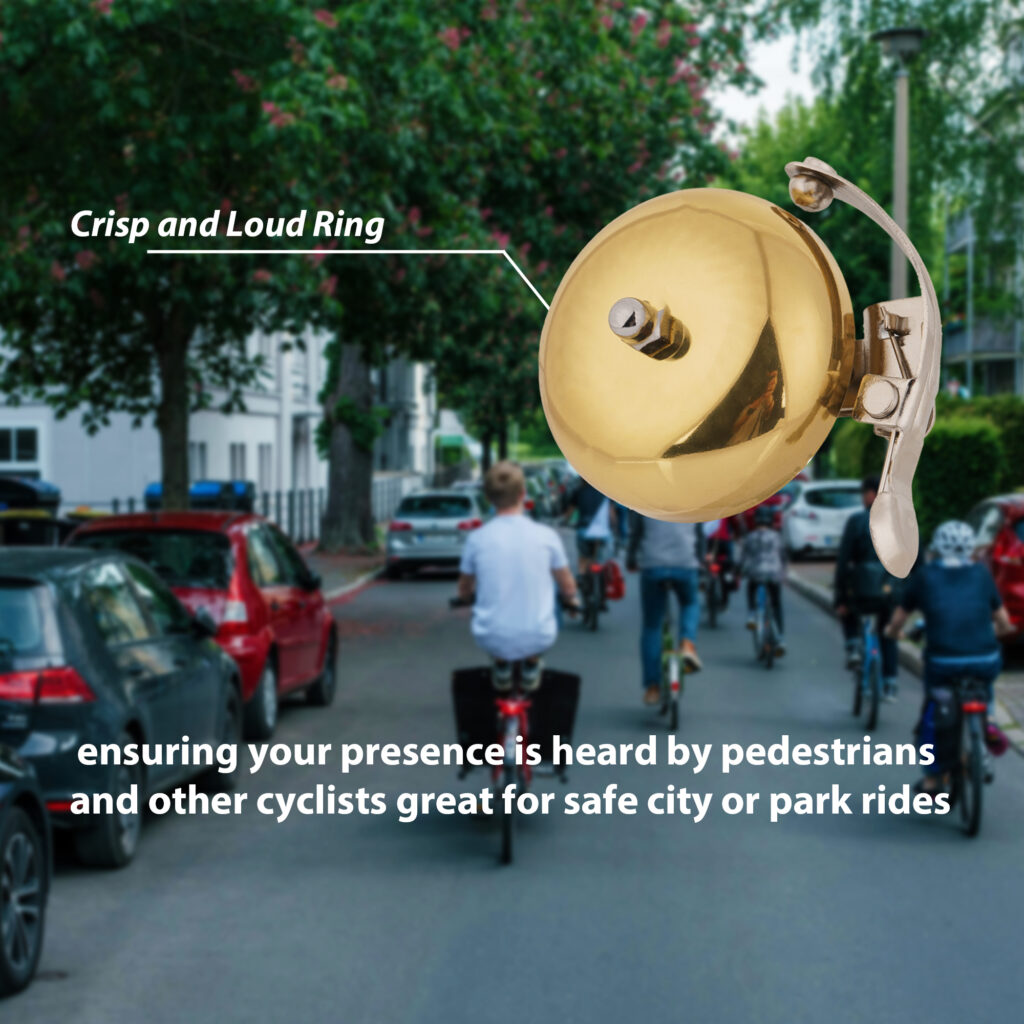
The RidingRush bell is designed to produce this specific “crisp” acoustic signature. Unlike plastic strikers that produce a dull thud, the metal-on-metal construction creates a resonant frequency that carries further down the trail. For riders looking to equip their bike with this essential safety tool, you can view the RidingRush Bicycle Bell details on Amazon to see if it fits your specific handlebar setup.
Build Quality and Material Durability
One of the primary failure points of budget bicycle bells is the internal spring mechanism and the dome material. Plastic domes tend to crack under UV exposure and absorb sound vibrations rather than projecting them.
Metal vs. Plastic
The RidingRush unit features a high-quality silver metal dome. From an engineering standpoint, metal is superior for this application for two reasons:
1. Sustain: Metal vibrates longer than plastic, creating a ring that lingers rather than cutting off instantly.
2. Resilience: Bicycles are exposed to rain, sweat, and humidity. The manufacturer notes that this bell is crafted to resist rust, a crucial feature for commuters who park their bikes outdoors.
While the internal striker mechanism is simple, the metal exterior ensures that the bell can withstand minor impacts—such as the bike tipping over or scraping against a wall—better than a plastic counterpart.
Ergonomics and Usability
A bell is useless if you cannot reach it in an emergency. The “Easy Press” design of the RidingRush bell is intended to be operated with a simple flick of the thumb, allowing you to keep your grip on the handlebars while braking or steering.
This ergonomic consideration is particularly important for two distinct groups:
* Children: Kids often lack the hand strength for stiff rotary bells. A spring-loaded lever is generally easier for smaller hands to operate.
* Road Cyclists: When riding in the hoods or on the tops, having a bell that requires minimal force means you don’t have to shift your weight or hand position drastically to signal.

Installation and Compatibility
One of the most frequent frustrations with bike accessories is the “universal fit” that turns out to be anything but. The RidingRush bell uses a standard clamp mechanism designed to fit most handlebars found on mountain bikes (MTB), road bikes, folding bikes, and scooters.
Installation Process
The installation is generally tool-light, usually requiring a standard screwdriver to tighten the bracket. Because the footprint of the bell is compact, it does not dominate cockpit space. This is vital for modern cyclists who might already have a GPS computer, a headlight, and a phone mount fighting for real estate on the handlebars.
Compatibility Checklist:
* Mountain Bikes: Fits standard flat bars.
* Road Bikes: Fits standard drop bars (usually near the stem).
* Scooters: The compact diameter makes it ideal for the narrower handlebars of electric or kick scooters.
Who is the RidingRush Bell For?
This product is not a “one size fits all” for every single cycling discipline, but it hits the sweet spot for the majority of riders.
It is ideal for:
* Urban Commuters: Riders who navigate traffic and need to signal pedestrians at crosswalks or bike lanes.
* Recreational Families: The ease of use makes it a great safety addition to a child’s bike.
* Minimalists: Riders who want a safety signal that looks classic and silver, blending in with vintage or modern aesthetics without looking like a bulky plastic toy.
It might not be for:
* High-Speed Road Racers: Competitive cyclists counting every gram might find any accessory unnecessary, though safety should arguably trump weight.
* Heavy Traffic Riders: If you are riding exclusively among cars and trucks, a metal bell may not be loud enough to penetrate a vehicle’s cabin. In those cases, an electronic horn is often required.
Long-Term Value and Safety
When evaluating bicycle accessories, the cost-per-use ratio is significant. A bell is a passive safety device; you may not use it on every ride, but when you need it, it must work instantly. The shift from plastic to a silver metal construction suggests that the RidingRush bell is built for longevity. It avoids the “sticky” striker syndrome common in cheaper bells where the lever jams after getting wet.
Furthermore, the aesthetic of the silver metal is timeless. It doesn’t clash with the paint job of a carbon road bike or a colorful kid’s cruiser. It simply sits on the bar, ready to provide that clear, loud ring. For those prioritizing safety and durability this season, you can check the current availability of the RidingRush Bicycle Bell to upgrade your ride.

Final Thoughts
The RidingRush Bicycle Bell offers a return to basics in the best way possible. It prioritizes a clear sound and durable materials over gimmicks. By utilizing silver metal, it ensures a crisp ring that is audible to pedestrians and other cyclists, enhancing safety on shared paths. Whether you are outfitting a scooter for a commute or a mountain bike for weekend trails, this bell provides a reliable, easy-to-install solution that respects the aesthetics of your bike while performing its essential duty.
Frequently Asked Questions
Will this bell fit on a thick road bike handlebar?
The bell is designed to fit “most” handlebars, which typically covers the standard 22.2mm to 25.4mm diameters found on grips and flat sections. For oversized 31.8mm road bars, you would likely need to mount it near the brake levers or stem where the bar tapers, or check if the clamp has enough reach.
Is the sound loud enough for car traffic?
The RidingRush bell produces a crisp, high-pitched ring designed to alert pedestrians and other cyclists. While it is sharp and clear, it is generally not intended to compete with the engine noise of a car or truck. It is a path and street safety tool, not a vehicle horn.
Does the metal construction rust easily?
The product is described as being crafted from high-quality silver metal with resistance to rust. However, like any metal bike component, if you live in a coastal area with salt air or leave the bike outside in the rain constantly, occasional maintenance (wiping it down) is recommended to keep it pristine.
Can a child operate this bell easily?
Yes, the “Easy Press” lever is designed specifically to require minimal force, making it suitable for children’s fingers. It does not require the rotational torque that some old-fashioned bells demand.
Do I need special tools to install it?
No special tools are required. The installation typically involves a standard screwdriver to tighten the mounting bracket screw around the handlebar. It is a quick process that takes only a few minutes.