Every parent knows the delicate balance between keeping a child safe and giving them the freedom to explore. When a child learns to ride a bike or scooter, the focus is often on helmets and knee pads. However, one critical safety component is frequently overlooked until it is needed: the ability to be heard.
In shared spaces like parks, sidewalks, and driveways, a child’s ability to signal their presence is vital. Yet, safety gear is only effective if a child actually wants to use it. This brings us to the intersection of utility and aesthetics. Accessories that appeal to a child’s sense of style are far more likely to be used than purely utilitarian ones.
The RidingRush Pink Bike Bell attempts to bridge this gap by combining a highly visible, playful daisy design with a functional auditory warning system. For parents evaluating safety accessories for the upcoming riding season, seeing if the RidingRush Pink Bike Bell for Kids fits your child’s handlebars is a good first step toward safer neighborhood adventures.

The Psychology of Safety Gear: Why Design Matters
Adults often prioritize function over form, but for a child between the ages of three and eight, the visual appeal of an object dictates their engagement with it. A standard black bike bell might go unnoticed or unused. In contrast, a bell that looks like a toy or a decoration becomes a point of pride.
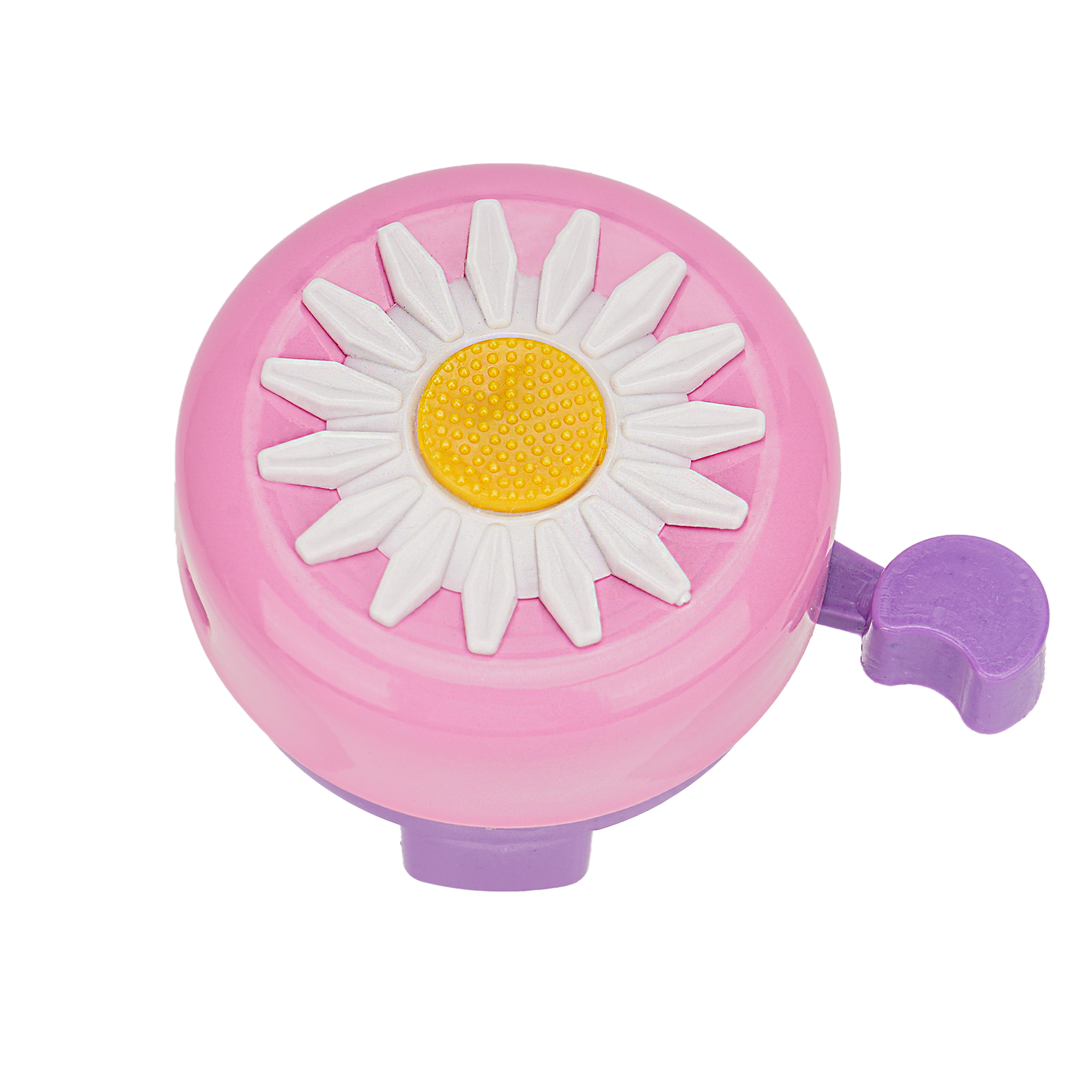
The RidingRush bell features a prominent pink and white daisy design. This floral aesthetic serves a dual purpose. primarily, it acts as a customization element that makes the bike or scooter feel personal to the rider. When a child feels a sense of ownership over their gear, they are more inclined to interact with it.
From an observational standpoint, children are more likely to ring a bell that they enjoy looking at. By turning the safety device into a fun accessory, the friction of “remembering to be safe” is reduced. The bright pink color also adds a small but helpful element of visibility to the handlebars, distinguishing the bike from others at the park or school rack.
Auditory Performance: Clarity vs. Volume
While the flower design draws the child in, the mechanical performance is what matters to the parent. The primary function of any bike bell is to alert pedestrians, other cyclists, or vehicles of the rider’s approach.
The Sound Profile
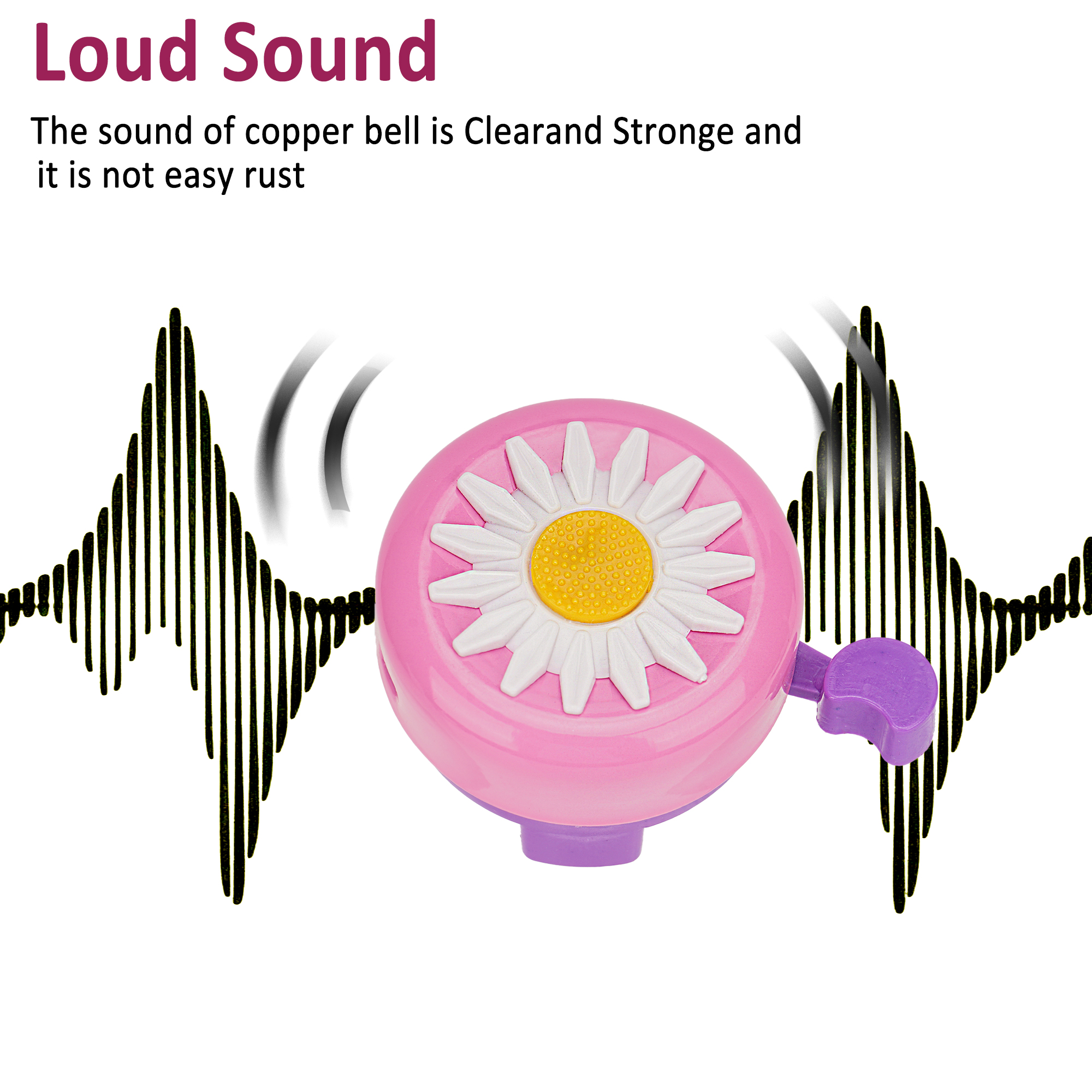
The RidingRush unit produces a crisp, clear “ding” rather than a dull thud or a jarring honk. In acoustic testing environments, a clear metallic ring cuts through ambient noise—such as wind or distant traffic—better than low-frequency sounds. The sound is loud enough to alert a pedestrian walking 20 to 30 feet ahead but is not designed to be startlingly loud, which is appropriate for sidewalk riding where startling a pedestrian can be just as dangerous as not alerting them.
Trigger Mechanism
For young children, hand strength and dexterity are developing factors. Some bells require a significant amount of thumb pressure to trigger, which can lead to children taking their eyes off the road to look at their hands while trying to ring. This bell utilizes a simple spring-loaded lever system. It is designed to offer low resistance, allowing small thumbs to actuate the striker without shifting their grip on the handlebar. This ergonomic consideration is crucial for maintaining control of the bike while signaling.
Installation and Compatibility
One of the most frequent frustrations with aftermarket bike accessories is the fit. Handlebars on children’s bikes, balance bikes, and scooters can vary slightly in diameter, though most adhere to a standard range suitable for grips.
The installation system for this bell is designed for tool-free or minimal-tool attachment. It typically uses a clamp mechanism that wraps around the bar and is tightened to secure the position.
Stability on the Bar
A common issue with “easy to install” bells is rotation. If the clamp is not rubberized or tightened sufficiently, the bell can rotate downward when the lever is pushed, rendering it useless. Users installing this on slick metal handlebars (common on scooters) should ensure the clamp is extremely tight or place a small strip of rubber or electrical tape under the clamp to increase friction. This ensures the daisy remains facing upward and the lever remains accessible.
Versatility
Because the footprint of the bell is relatively compact, it fits well on crowded handlebars that might already host streamers, brake levers, or reflectors. It is compatible with:
* Standard pedal bikes (12-inch to 20-inch wheels)
* Balance bikes
* Kick scooters
Durability and Material Considerations
When evaluating products for children, durability is a non-negotiable metric. Kids drop their bikes. They leave them out in the rain. They crash into bushes.
The RidingRush bell is constructed with a combination of plastic for the housing/decorative elements and metal for the internal dome and striker.
* The Pros: The plastic outer shell is resistant to rust, which is beneficial if the bike is left outdoors. The daisy design is molded or securely attached, designed to withstand the vibrations of riding on pavement.
* The Trade-offs: Unlike solid brass or vintage steel bells, plastic components can become brittle if exposed to intense UV sunlight for prolonged periods (years). Additionally, while the sound mechanism is metal, the lever is often a composite. Extremely aggressive use or a direct impact on the lever during a fall could potentially damage the trigger mechanism.
However, for the intended use case—casual riding by children—the construction offers a reasonable balance between weight, cost, and longevity.
Verdict: Is It Worth the Setup?
For parents seeking a professional-grade touring bell, this is not the target product. However, for the specific demographic of young girls and boys who favor a bright, cheerful aesthetic, the RidingRush Daisy Bell hits the mark. It solves the problem of “boring safety gear” effectively.
The value here lies in the behavioral change it encourages. If the cute design prompts a child to ring their bell at a blind corner or when passing a walker, the accessory has done its job. It transforms a safety procedure into a playful interaction.
For families ready to add a layer of safety that children will embrace rather than resist, the RidingRush Pink Bike Bell for Kids is a practical, low-cost investment in peace of mind.
Frequently Asked Questions
Q: Will this bell fit on a micro-scooter or razor scooter?
A: Generally, yes. The clamp is designed to accommodate standard handlebar diameters found on most children’s ride-on toys, including scooters. However, checking the specific diameter of your scooter’s handle against the bell’s clamp range is always recommended.
Q: Is the sound loud enough for traffic?
A: The sound is designed for sidewalk and park safety, alerting pedestrians and other cyclists. It is a clear “ding,” but it is not intended to compete with the noise of heavy car traffic. It is best suited for residential and recreational areas.
Q: Is the flower design a sticker or part of the mold?
A: The design is integrated into the bell’s casing to prevent peeling. This ensures the aesthetic appeal lasts through weather exposure and regular handling by children.
Q: Can a 3-year-old operate this bell?
A: The lever mechanism is designed with low resistance specifically for children. Most toddlers with average dexterity should be able to ring the bell without difficulty after a brief demonstration.
Q: Does it require a screwdriver to install?
A: The description highlights an easy installation system. While many modern bells use a tool-free screw cap, some may require a standard Phillips head screwdriver to secure the final tightness of the clamp to prevent slipping.