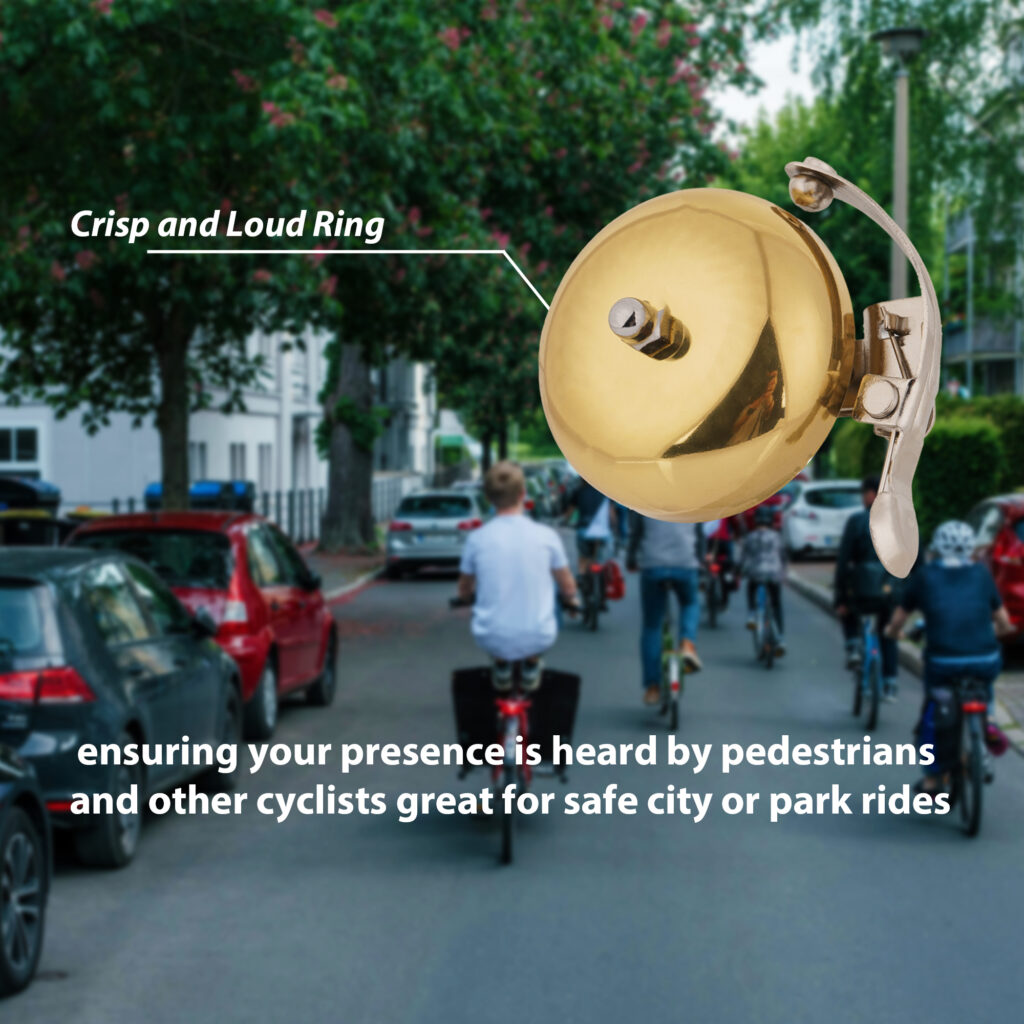
When equipping a child’s bicycle or scooter, safety accessories often take a backseat to the bike itself. However, for parents monitoring a toddler on a balance bike or a grade-schooler navigating a busy park, an audible warning signal is just as critical as a helmet. The standard plastic bells that come with most big-box store bicycles often fail in two areas: they produce a dull, muffled thud rather than a clear ring, and they tend to snap under the pressure of enthusiastic use.
The RidingRush Kids Bike Bell attempts to solve these common durability and safety issues by returning to a classic mechanical design. With its metal construction and lever-action striker, this accessory aims to provide a louder, clearer signal than its plastic counterparts. This review evaluates the practical benefits of this vintage-style bell, examining its sound profile, installation requirements, and long-term durability for active children.

The Importance of Auditory Safety for Young Riders
The primary function of any bike bell is communication. Children, particularly those learning to ride, often lack the vocal projection to warn pedestrians or other riders of their approach. A bell acts as a mechanical extension of their voice.
The challenge with many modern, novelty bells is that they prioritize character shapes over acoustics. Rubber squeeze horns can be difficult for small hands to operate quickly, and plastic internal gears often strip out. In contrast, the RidingRush model utilizes a traditional metal dome and internal striker. This design typically produces a sharper, higher-pitched frequency that cuts through ambient noise—such as wind or distant traffic—more effectively than a dull plastic click.
For parents looking to upgrade their child’s safety gear, you can view the specifications of the RidingRush Kids Bike Bell to see if it fits your specific handlebar setup.
Design and Aesthetic Appeal
While function is paramount, the form factor plays a significant role in whether a child actually wants to use the device. The “Lucky Green” polka dot design draws heavily on retro aesthetics. The pastel green finish combined with white dots offers a visual style that is distinct from the neon, aggressive styling of many boys’ accessories or the excessive glitter often found on girls’ products.
Visual Visibility
The bright color does more than look good; it adds a small element of visual contrast to the handlebars. While it doesn’t replace a reflector or light, adding bright accessories helps distinguish the bike’s profile.
Universal Appeal
The vintage look is versatile. It fits naturally on a vintage-style cruiser, a modern balance bike, or even a kick scooter. Because the design is not tied to a specific cartoon franchise or passing fad, it tends to age better as the child grows, potentially moving from a starter tricycle to a two-wheeler without looking out of place.
Build Quality and Material Durability
A recurring frustration for parents is the “disposable” nature of kids’ bike accessories. Plastic clamps become brittle in sunlight and snap, or the spring mechanism loses tension.
Metal vs. Plastic
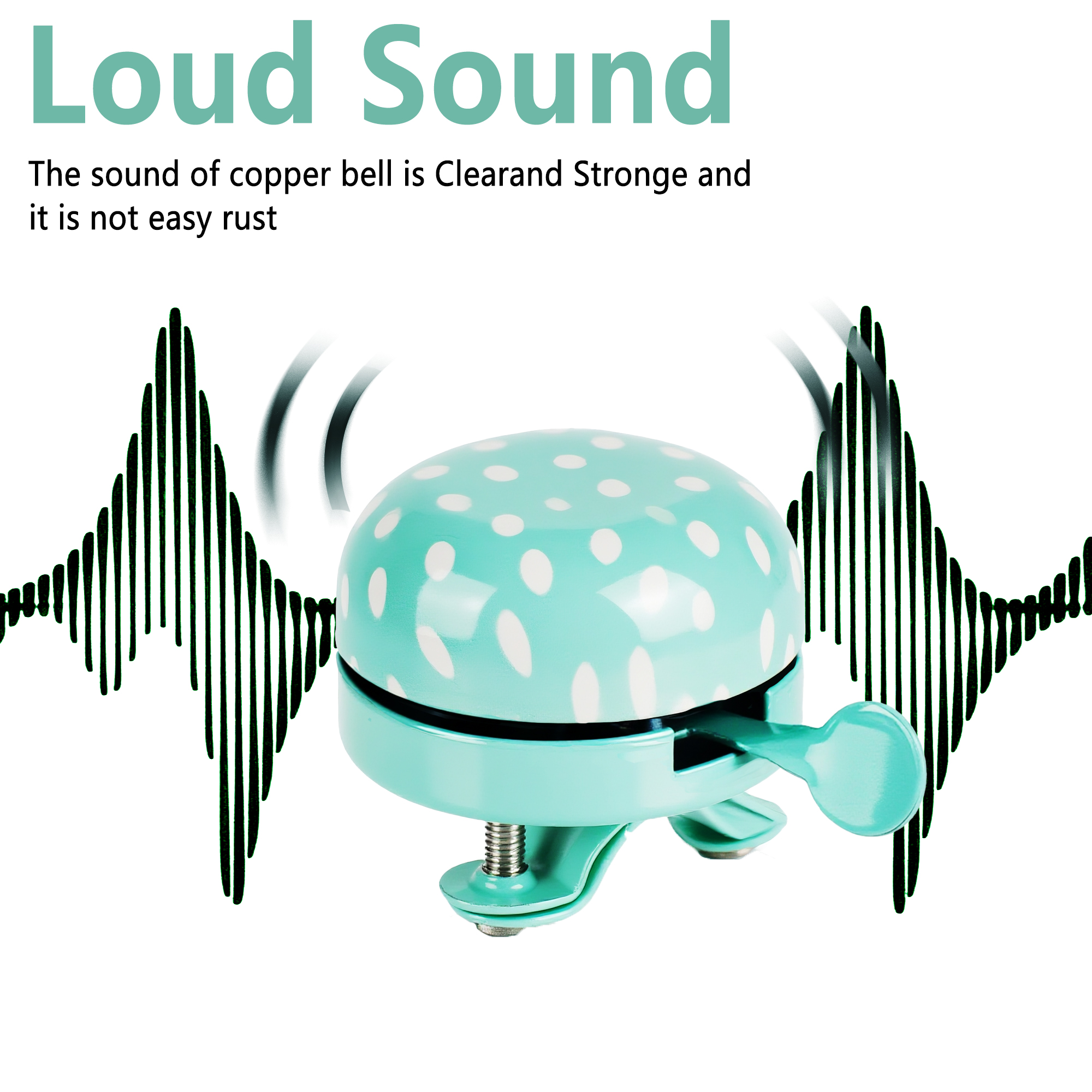
The RidingRush bell features a metal exterior painting and construction. Metal domes are superior for two reasons:
1. Resonance: Metal vibrates to sustain a ring, whereas plastic dampens vibration immediately.
2. Impact Resistance: A bike bell is often the first thing to hit the ground when a child drops their bike. Metal may scratch or dent, but it rarely shatters. This longevity is crucial for equipment that will inevitably be treated roughly.
The Mechanism
The trigger mechanism is designed for small thumbs. Unlike “ding-dong” bells which sometimes require a long stroke that can be difficult for toddlers, a simple spring-loaded lever is usually easier for children aged 3 to 6 to operate without taking their eyes off the path.
Installation and Compatibility
One of the most critical aspects of buying bike accessories online is ensuring they fit. The RidingRush bell advertises a universal handlebar fit, which typically covers standard diameters found on most kids’ bikes, trikes, and scooters.
The Mounting System
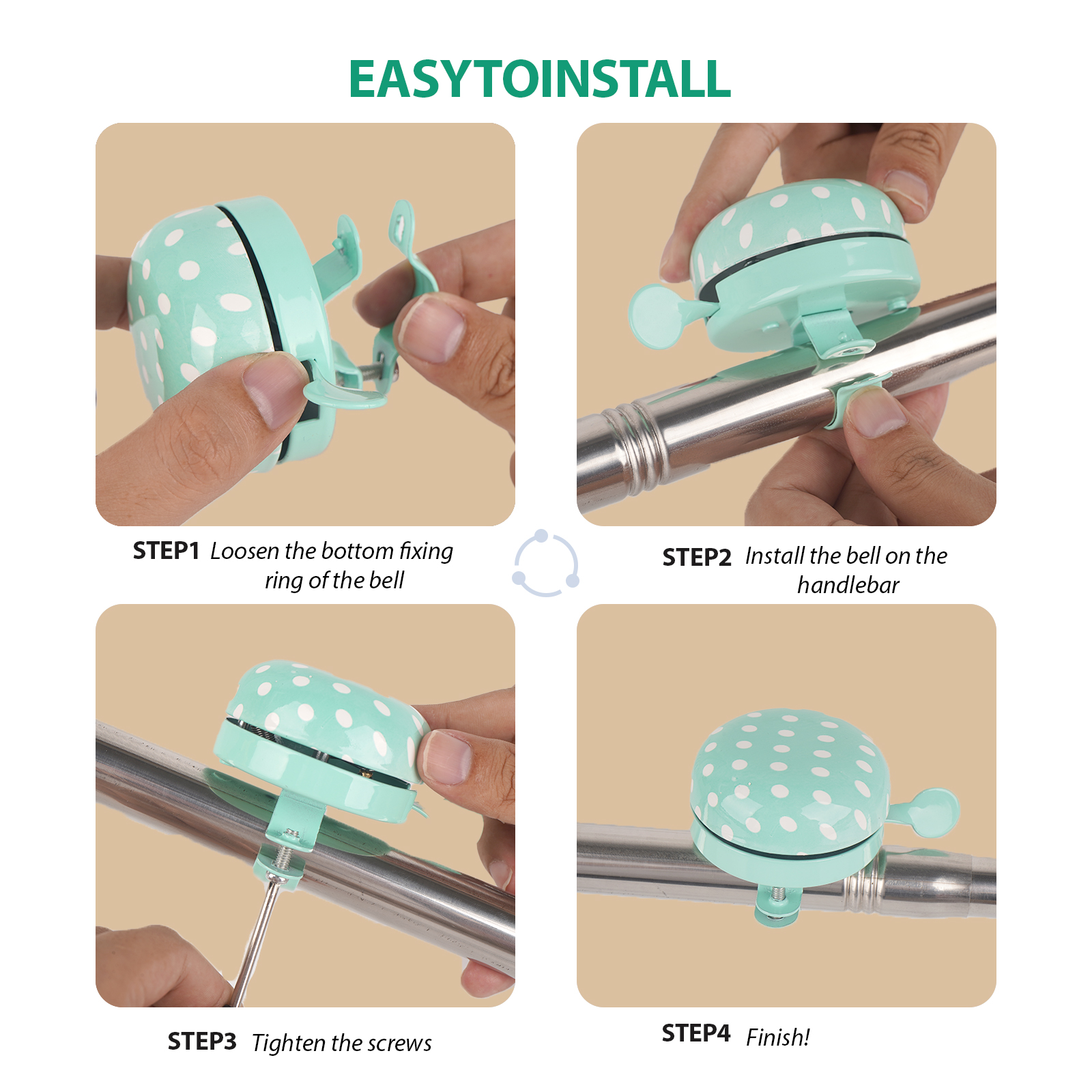
Unlike snap-on bells that use rubber bands (which can rot or slip), this unit uses a secure screw installation.
* Pros: Once tightened, the bell stays in position. It won’t rotate upside down when the child hits a bump, ensuring the trigger is always where the thumb expects it to be. It is also harder for a thief to casually snatch off a parked bike.
* Cons: Installation requires a screwdriver. This is not a tool-free setup. Parents should be prepared to spend a few minutes with a standard screwdriver to secure the bracket.
Fit Considerations
While “universal” covers most standard bars, parents with specialized equipment—such as certain electric scooters with extra-thick stems or road bikes with oversized tape—should check their handlebar diameter before purchasing. However, for standard BMX, cruiser, and scooter bars, the fit is generally reliable.
Performance in the Real World
In practical usage, the volume of the bell is the deciding factor. The “crisp and loud” sound description suggests a high decibel output relative to its size. On a busy sidewalk, a crisp ring alerts pedestrians from a safe distance, preventing last-minute swerves.
For toddlers, the ease of actuation is vital. If a bell is too stiff, the child will stop using it. The lever action on this style of bell is generally light enough for a 3-year-old to trigger successfully. Furthermore, the metal construction means that even if the bike is left out in the rain occasionally, the bell is less likely to degrade quickly compared to electronics that suffer from moisture intrusion.
Comparison to Alternatives
When weighing this option against competitors, consider the trade-offs:
* Vs. Electric Horns: Electric horns are louder but require batteries. When the battery dies, safety is compromised. The RidingRush bell is mechanical and always ready.
* Vs. Rubber Squeeze Horns: Squeeze horns are fun but bulky and often sound like toys rather than traffic signals. They also take up significant handlebar real estate.
* Vs. Snap-on Plastic Bells: These are cheaper and tool-free but often rotate unintentionally and break easily upon impact.
Verdict: Is It Worth the Upgrade?
The RidingRush Kids Bike Bell represents a shift away from disposable plastic toys toward functional cycling equipment. Its value lies in the combination of safety (loud sound), durability (metal build), and security (screw mount). While it requires a tool to install, the trade-off is a secure accessory that won’t slip or break after a week of use.
For parents seeking a reliable, audible safety device that adds a touch of classic style to a child’s ride, this bell is a strong contender. It bridges the gap between toy accessories and serious cycling gear.
To see if this retro style matches your child’s bike, you can check the RidingRush Kids Bike Bell for current availability and color options.
Frequently Asked Questions
Will this bell fit on a razor scooter?
Most standard kick scooters use handlebar diameters similar to bicycles. This bell is designed to fit standard bars, so it is generally compatible with major scooter brands. However, checking the specific diameter of your scooter’s handle against standard bike dimensions is always recommended.
Is the sound loud enough for traffic?
The bell produces a crisp, high-pitched ring designed to be heard by pedestrians and other cyclists on paths and sidewalks. While no bicycle bell can compete with the volume of a car horn or heavy traffic noise, the metal dome provides a piercing sound that carries well in park and neighborhood environments.
Do I need special tools to install it?
You will need a standard screwdriver to tighten the mounting screw. The package includes the screw required for installation, but the tool itself is not typically included.
Is the bell weather-resistant?
The bell features metal construction with exterior painting which helps protect against rust and corrosion. While it is durable enough for normal outdoor use, storing the bike indoors or under cover will significantly extend the life of the spring mechanism and finish.
Is it difficult for a toddler to ring?
The lever mechanism is designed to be operated with a thumb flick. Most toddlers aged 3 and up find this motion easy to master, unlike some rotary bells that require a twisting motion which can be harder for small hands to coordinate while steering.