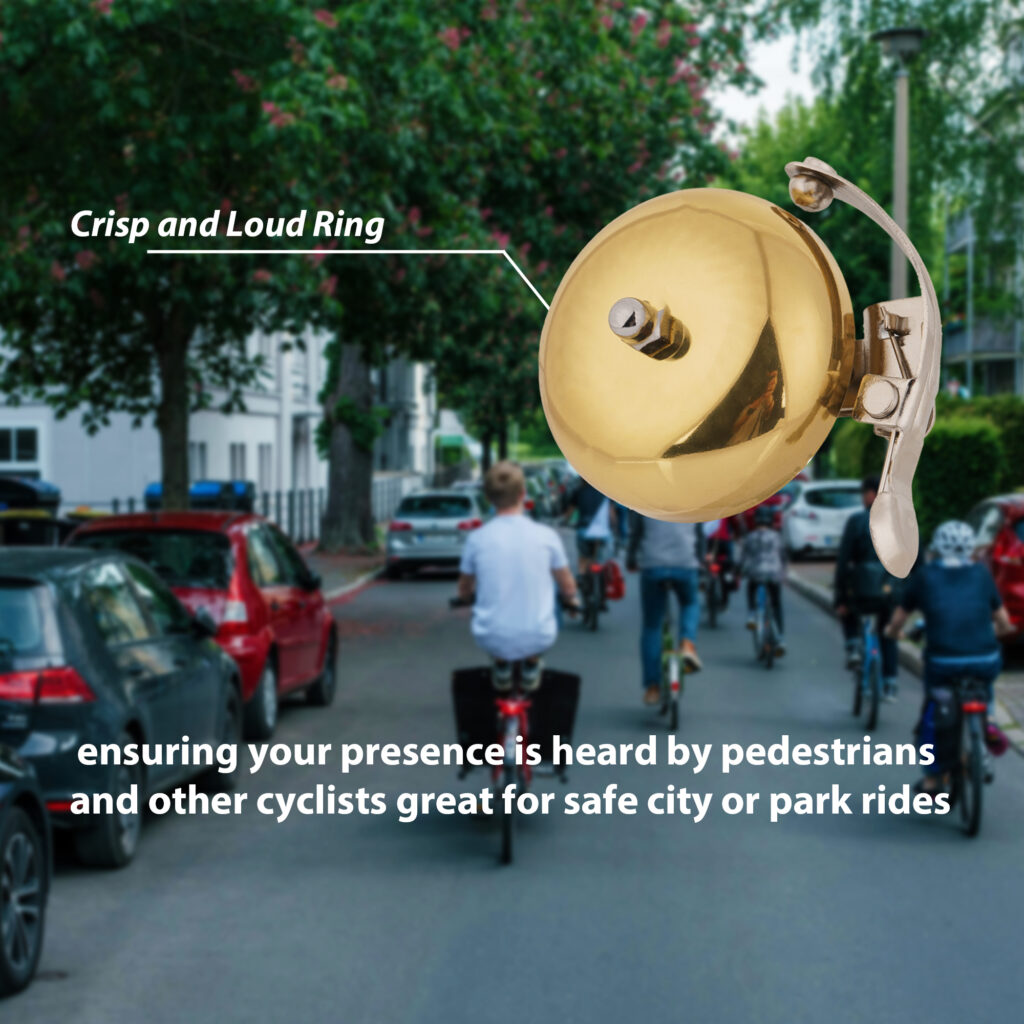
Ensuring a child is visible and audible while riding is one of the primary safety concerns for any parent. Whether your child is navigating a busy park on a scooter or learning to pedal on the sidewalk, the ability to alert pedestrians is crucial. However, traditional bike bells often present a frustration that goes overlooked until after the purchase: rigid plastic mounts that crack upon impact or simply do not fit the varied handlebar sizes of modern toddler bikes and scooters.
The shift toward silicone-mounted accessories has addressed many of these compatibility and durability issues. By utilizing a flexible strap rather than a fixed screw mount, these bells offer a versatility that rigid options lack. In this evaluation, we look at the RidingRush Kids Bike Bell to determine if its tool-free design and audible clarity make it a reliable choice for young riders.
The Shift to Tool-Free Safety Accessories
For years, installing a bike bell meant dealing with tiny Phillips-head screws and plastic brackets that were designed for a single standard handlebar diameter (usually 22.2mm). While this works for standard adult bicycles, the world of children’s ride-ons is far less standardized. Toddler scooters, balance bikes, and tricycles often have varying tube thicknesses, making standard hard-plastic mounts difficult or impossible to secure tightly.
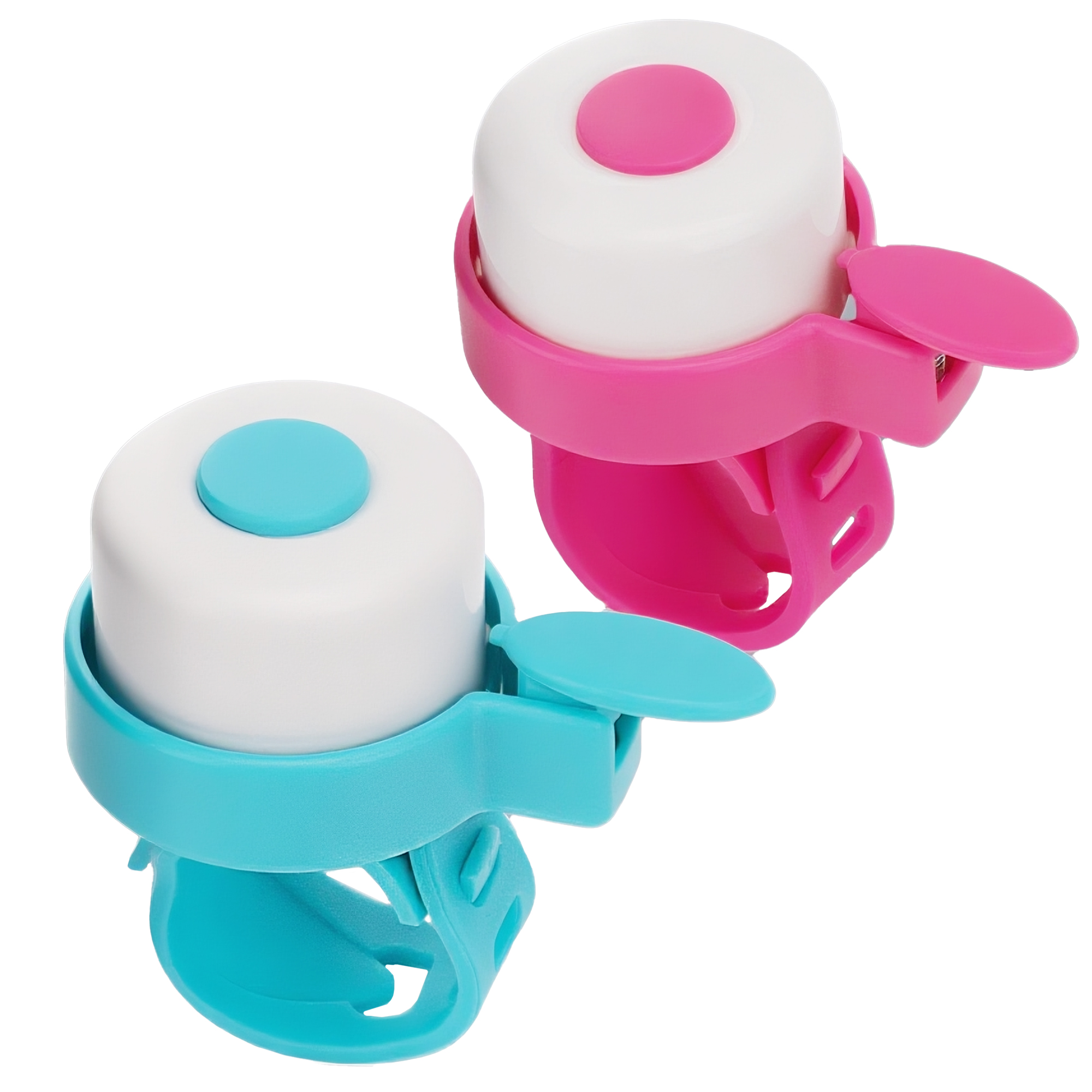
The RidingRush model utilizes a stretchable silicone strap system. This design choice fundamentally changes the user experience from a mechanical installation to a simple wrap-and-hook application. For parents managing multiple ride-on toys, the ability to swap a safety device from a tricycle to a scooter in seconds without a screwdriver is a significant functional advantage.
Design and Build Quality
Silicone Strap Integrity
The core differentiator of this bell is the mounting mechanism. The strap is integrated into the body of the bell, made from a flexible silicone material. Unlike rigid plastic, silicone provides natural friction against painted metal handlebars. This grip is essential; a common failure point of cheap plastic bells is that they rotate downward when the button is pressed, making them hard for a child to operate in a panic.
The elasticity of the strap allows it to accommodate a range of diameters. This is particularly relevant for parents of toddlers, as many modern scooters feature thicker, padded handlebars or non-standard shapes where a screw-mount bracket simply wouldn’t close.
Acoustic Performance
A bike bell serves no purpose if it cannot be heard. The internal mechanism of the RidingRush bell is designed to produce a crisp, distinct ring. In outdoor environments, low-frequency thuds often get lost in ambient traffic or wind noise. A sharper, high-pitched ring cuts through background noise more effectively, alerting pedestrians or other riders of a child’s approach.
The striker mechanism is positioned for easy thumb actuation. For children aged 3 to 6, fine motor skills are still developing. A bell that requires significant force or a complex motion can be a distraction rather than a safety aid. The trigger here is designed to be pushed with minimal resistance, allowing the child to keep their grip on the handlebar while signaling.

Practical Applications and Durability
Impact Resistance
Children are hard on equipment. Bikes are frequently dropped on the pavement, and scooters are tossed onto the grass. Rigid plastic bells often shatter or snap at the mounting bracket during these everyday impacts.
Because the mounting interface is soft silicone, it absorbs shock rather than transferring it to a brittle plastic neck. If a bike falls over, the bell is more likely to rotate or flex than to crack. This resilience extends the lifespan of the product significantly compared to traditional rigid designs.
Versatility Across Vehicles
One of the distinct advantages of this design is its portability. A family might have a balance bike, a scooter, and a tricycle. Because the installation is tool-free, the bell can easily be moved to whichever vehicle is being used that day. The strap features multiple adjustment holes, similar to a watch band, allowing it to tighten securely around thin trike bars or stretch around thicker scooter stems.
Who Is This Bell For?
Understanding the specific use case helps in deciding if this is the right safety accessory for your needs.
Ideal User Profile:
* Parents of Toddlers and Preschoolers: The ease of use and durability match the rough handling typical of this age group.
* Multi-Vehicle Households: Families who want to swap one bell between a scooter and a bike.
* Non-Standard Handlebars: Anyone with a ride-on toy that has thick padding or irregular tubing where screws won’t fit.
Not Intended For:
* Road Cyclists: Adult road bikes with aero bars or very wide diameters might stretch the silicone to its limit, potentially reducing longevity.
* High-Traffic Urban Commuting: While loud, the sound profile is designed for parks and sidewalks. Heavy urban traffic might require a louder, dual-tone horn.
Comparative Analysis: Silicone vs. Screw-Mount
When evaluating the market, the two primary categories are strap-mounted and screw-mounted bells.
Screw-Mount Bells:
* *Pros:* Extremely rigid; once installed, they do not move.
* *Cons:* Difficult to install; often incompatible with different bar sizes; brittle plastic brackets break easily upon impact.
Silicone Strap Bells (Like RidingRush):
* *Pros:* Universal fit; shock-absorbent; installs in seconds; no tools required.
* *Cons:* Silicone can degrade over many years of intense UV exposure (though typically outlasts the child’s interest in the specific bike).
For the specific application of children’s bikes, the trade-off heavily favors the silicone strap. The strict rigidity of a screw mount is less necessary than the durability and adaptability provided by the flexible design.

Verdict: Long-Term Value and Usability
In the category of bicycle accessories, simplicity often correlates with reliability. The RidingRush Kids Bike Bell eliminates the most common points of failure found in children’s bike bells: the broken bracket and the incompatible fit.
By utilizing a high-tension silicone strap, the bell ensures a tight fit on virtually any handlebar while remaining easy enough for a child to operate. The acoustic quality is sufficient to ensure safety on sidewalks and in parks, providing parents with peace of mind. For those seeking a low-maintenance, high-durability solution that can survive the inevitable drops and crashes of childhood riding, this silicone option offers a practical and effective solution.
Frequently Asked Questions
Will this fit on a scooter with thick handlebars?
Yes. The silicone strap is designed to stretch and features multiple adjustment notches. This allows it to wrap securely around the thicker stems often found on kick scooters, as well as standard bicycle handlebars.
Is the bell loud enough for busy areas?
The bell produces a crisp, high-pitched ring designed to alert pedestrians and other riders on bike paths and sidewalks. While effective for these environments, it is not intended to compete with the noise levels of heavy vehicular traffic.
Can a 3-year-old operate this bell?
The trigger mechanism is designed for low resistance. Most toddlers aged 3 and up should have the thumb strength and motor coordination to ring the bell without losing their grip on the handlebar.
Is the silicone strap durable in the sun?
Silicone is generally resistant to heat and UV rays, maintaining its elasticity better than rubber. However, like all materials, extreme long-term exposure can eventually affect it. For typical usage spans of a child’s bike (2-4 years), the material is robust enough to maintain a secure hold.
Do I need any tools to install it?
No tools are required. The strap wraps around the bar and hooks onto the bell body, similar to fastening a belt or a watch strap. This makes installation and removal instantaneous.