Transporting a bike by car seems straightforward until the first time it isn’t. A sudden brake, a rough stretch of road, or a long highway drive can reveal a common problem: the bike shifts, the wheels rotate freely, or a worn strap no longer holds tension. Over time, even a solid bike rack becomes less reliable if the securing straps are stretched, frayed, or simply not designed for repeated use.
For riders dealing with that exact issue, replacement straps are often more practical than replacing an entire rack. One option that frequently comes up in this context is the RidingRush Bike Rack Strap set, which is designed specifically as an adjustable, universal replacement rather than a permanent rack component. Riders who want to understand whether this type of accessory genuinely improves transport stability can review the product details at https://www.amazon.com/dp/B0FH9VQ3NL as part of evaluating their setup.

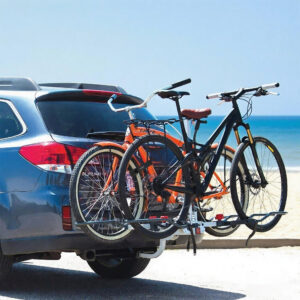
What This Product Is—and Who It’s Designed For
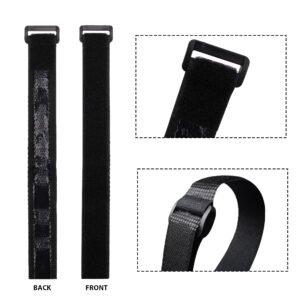
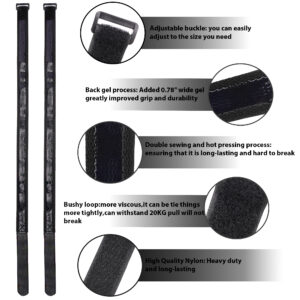
The RidingRush Bike Rack Strap is a pair of adjustable tie-down straps intended to secure bike wheels or frames to car-mounted bike racks. They use a hook-and-loop fastening system paired with a reinforced buckle, allowing the strap length to be adjusted to different rack geometries and bike sizes.
This type of strap is best suited for:
- Cyclists using trunk-mounted, hitch-mounted, or SUV-style bike racks
- Riders replacing worn or lost original rack straps
- Drivers who transport bikes occasionally or regularly and want added stability
- People who prefer non-metal contact points to avoid scratching frames or rims
It is not intended to replace structural rack components or to act as a load-bearing tie-down for oversized cargo. Instead, it functions as a stabilization and retention accessory.
Real-World Use: What Difference Do Replacement Straps Actually Make?
In everyday use, replacement bike rack straps address a subtle but important problem: movement. Many factory-included rack straps loosen over time, especially after exposure to sun, rain, and repeated tension cycles. When that happens, bikes can sway laterally or wheels can spin freely during transport.
Using adjustable hook-and-loop straps adds friction and restraint at key contact points—typically around wheels or frame sections—reducing micro-movements that accumulate over a long drive. In practice, this means:
- Less rattling noise from the rear of the vehicle
- Reduced risk of bikes contacting each other
- More consistent positioning when checking the rack mid-trip
Because the RidingRush straps are nylon-based with a soft contact surface, they can be tightened firmly without the sharp pressure points associated with metal ratchet straps.
Feature Breakdown and Why It Matters
The design choices behind these straps are relatively simple, but each one addresses a common transport concern.
Adjustable Length (20 inches)
The fixed 51 cm length strikes a balance between versatility and control. It’s long enough to wrap around most standard bike wheels and rack arms, but short enough to avoid excess slack that can flap in the wind.
Hook-and-Loop Fastening
Unlike cam buckles or ratchets, hook-and-loop systems allow micro-adjustments. This is particularly useful when dealing with different wheel diameters, tire widths, or rack designs. The trade-off is that they rely on surface cleanliness; mud and debris can reduce grip over time.
Reinforced Buckle
The buckle provides a secondary point of tension management, helping the strap maintain alignment under vibration. While not designed for heavy loads, it adds consistency during long drives.
Non-Abrasive Contact Surface
For carbon frames, painted rims, or polished metal racks, avoiding scratches is a priority. The nylon construction distributes pressure evenly, reducing localized wear.
Installation and Day-to-Day Usability
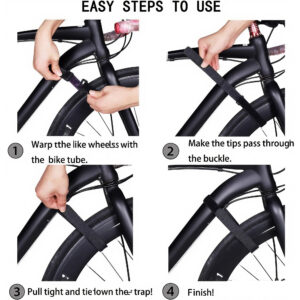
Installing the straps requires no tools and minimal instruction. Most riders loop the strap through the rack’s existing attachment points and around the wheel or frame section they want to stabilize. Adjustment takes seconds, which is helpful when loading multiple bikes or making quick roadside checks.
In daily use, the simplicity becomes the main advantage. There’s no learning curve, and the straps can be repurposed easily if the rack configuration changes. However, riders who prefer one-handed operation may find hook-and-loop systems slightly slower than quick-release buckles.
Comparison With Other Bike Rack Strap Options
Replacement straps generally fall into three categories:
- OEM-specific replacements – Designed for a single rack model, often more expensive and less flexible.
- Ratchet-style tie-downs – Extremely secure but heavier and more likely to damage bike finishes if overtightened.
- Universal hook-and-loop straps – More adaptable, lighter, and easier to store.
The RidingRush straps clearly sit in the third category. Compared with ratchet straps, they prioritize surface safety and ease of adjustment over maximum tension. Compared with OEM replacements, they offer broader compatibility but may lack model-specific fit precision.
Durability and Long-Term Value
Heavy-duty nylon is known for resisting stretching and tearing under moderate loads. In normal cycling transport conditions—highway speeds, uneven roads, weather exposure—the material should hold up well with basic care. Periodic cleaning of the hook-and-loop surface helps maintain grip strength.
Because the package includes two straps, they can be rotated or reassigned as wear appears, extending overall usability. While they are not permanent rack components, they function well as consumable accessories that reduce stress on more expensive gear.
Who This Product Is Not For
It’s important to be clear about limitations. These straps are not ideal for:
- Securing motorcycles or heavy e-bikes independently
- Replacing structural rack arms or clamps
- Situations requiring certified load ratings or locking mechanisms
They are best viewed as supplemental stabilization tools rather than primary restraints.
Long-Term Perspective: Is It a Sensible Upgrade?
For riders who already own a functional bike rack, upgrading or replacing straps is often the most cost-effective way to improve transport reliability. Small improvements in stability can reduce wear on frames, racks, and mounting points over time.
Cyclists who value adjustability, surface protection, and multi-purpose use may find that these straps integrate easily into their routine. Those evaluating whether this solution fits their rack and riding style can examine current availability and specifications at https://www.amazon.com/dp/B0FH9VQ3NL when planning a long-term transport setup.
Frequently Asked Questions
Can these straps be used on carbon frames?
Yes, the nylon and hook-and-loop design reduces abrasion risk compared to metal or ratchet systems, though overtightening should still be avoided.
Do they fit fat bike tires?
They can accommodate wider tires within reason, but extremely wide fat bike tires may exceed the strap’s practical range.
Are they weather resistant?
The nylon material handles typical rain and sun exposure, but prolonged outdoor storage may shorten lifespan.
Can they replace original rack straps entirely?
They can serve as functional replacements for many racks, but compatibility depends on rack design and mounting points.
Are they suitable for non-cycling uses?
Yes, they are commonly used for bundling gear, securing luggage, or organizing cords, provided weight limits are respected.